


Table of Contents
We went as a family—me, my parents, my sister—on a cruise through the Greek islands. I was just a kid with no idea this trip would mark the beginning of something that would shape how I move through the world.
The ship was enormous, a small city on water, everything designed for comfort and consumption. Buffets that ran from morning to midnight. Pools that were too small to actually swim in but perfect for lounging with drinks. A casino that buzzed with activity from port to port. Entertainment that ranged from Broadway-style shows to comedians who told jokes about cruise ship food. It was a world unto itself, sealed against the outside, and I spent the first two days feeling vaguely claustrophobic despite the endless ocean views.
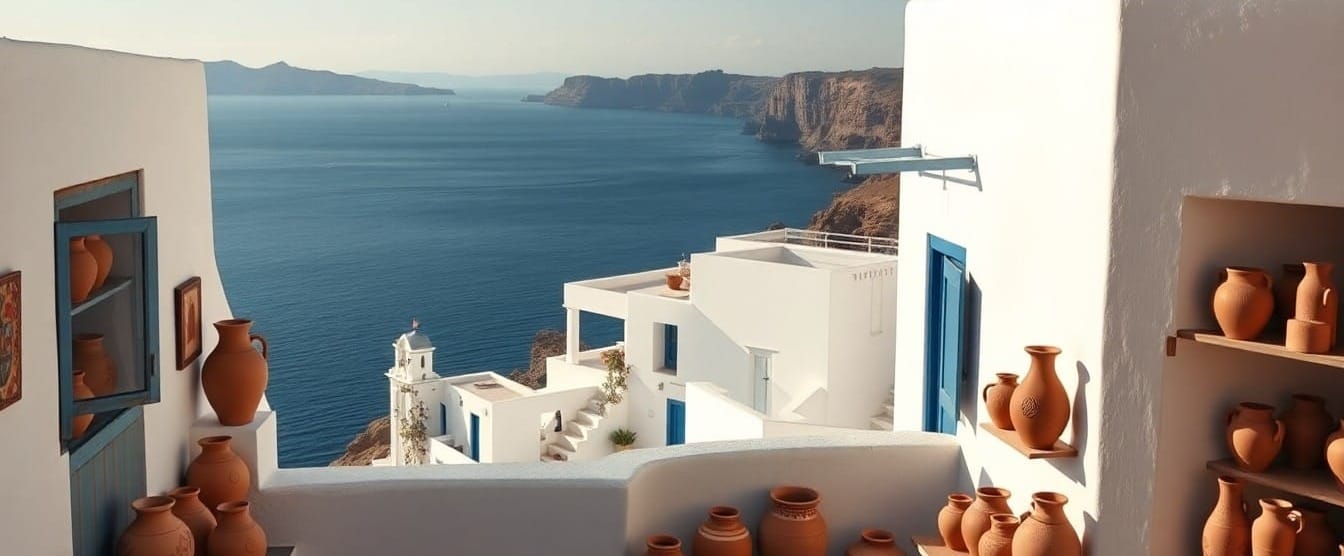
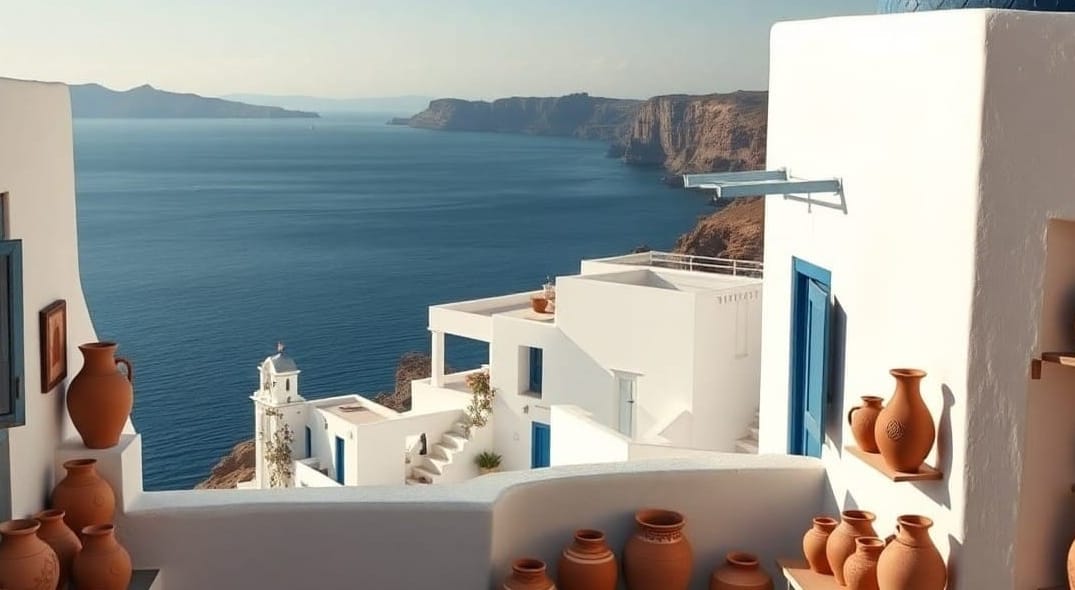
But then we reached Santorini, and everything changed. The ship anchored in the caldera—the flooded crater of the ancient volcano that blew itself apart three thousand years ago, possibly inspiring the legend of Atlantis—and we tendered to shore in small boats that bobbed on the Mediterranean swell. The white buildings climbed the cliff face above us, blue-domed churches punctuating the cascade, and even through the tourist hordes I could feel something ancient and powerful in the landscape. This was a place shaped by catastrophe, rebuilt on the rim of destruction, beautiful precisely because it existed at all.
The geological violence of Santorini's past is visible everywhere if you know what to look for. The cliffs are layered with ash and pumice from the eruption that ended the Minoan civilization. The black sand beaches are made of volcanic rock. The hot springs in the caldera still bubble with geothermal heat. The island itself is just a fragment of what once existed—the volcano blew out its center, leaving a crescent moon shape around the flooded crater.Standing on the rim, looking down at the water that filled the void, I felt small in a way that was both humbling and exhilarating.
The group split up once we reached the island—some wanted to see the sunset, others wanted beaches, my parents wanted a wine tour. I had a few hours to myself, which I'd been craving. I climbed the switchback path from the port (you can take a donkey or a cable car, but I wanted the exercise) and emerged into the narrow streets of Fira, the main town, already sweating in the Mediterranean heat. The shops were a blur of tourist merchandise—evil eye jewelry, magnets, t-shirts featuring Santorini sunsets—but occasionally something genuine would catch my eye through the commercial noise.
The fragile pin at the top has survived every move, every box, every careless moment. As long as it stays intact, something of that trip stays intact too.

Greek pottery has a tradition that stretches back millennia, from the geometric patterns of the early Hellenic period through the famous red and black figure vases of the classical era. In the National Archaeological Museum in Athens (which I visited on a later trip), you can see amphorae that are thousands of years old, their surfaces painted with scenes of gods and heroes in a style so distinctive it's become shorthand for ancient civilization itself. What you find in tourist shops is rarely that old or that significant, but the tradition persists in simplified form: white pottery with blue decoration, echoing the colors of the island itself, motifs that reference ancient patterns without claiming to be ancient.
I was skeptical at first, dismissive of the tourist kitsch, until I found a shop that felt different. The owner was an older woman, her hands rough in the way of people who work with clay. The shop was in a back alley away from the main drag, easily missed if you weren't wandering aimlessly as I was. The pieces inside were clearly hers—there was a consistency of style that marked them as the work of a single maker. The white was cleaner than the mass-produced versions, the blue decoration more confident, the shapes more intentional.
She worked from a small studio behind the shop, she told me, and had been making pottery since she was a girl, learning from her mother who'd learned from her mother before that. The tradition was being diluted by Chinese imports, she said with a shrug that conveyed both resignation and defiance. But there would always be people who could tell the difference, who wanted the real thing, who valued the hours of work that went into each piece. She survived by finding those people.
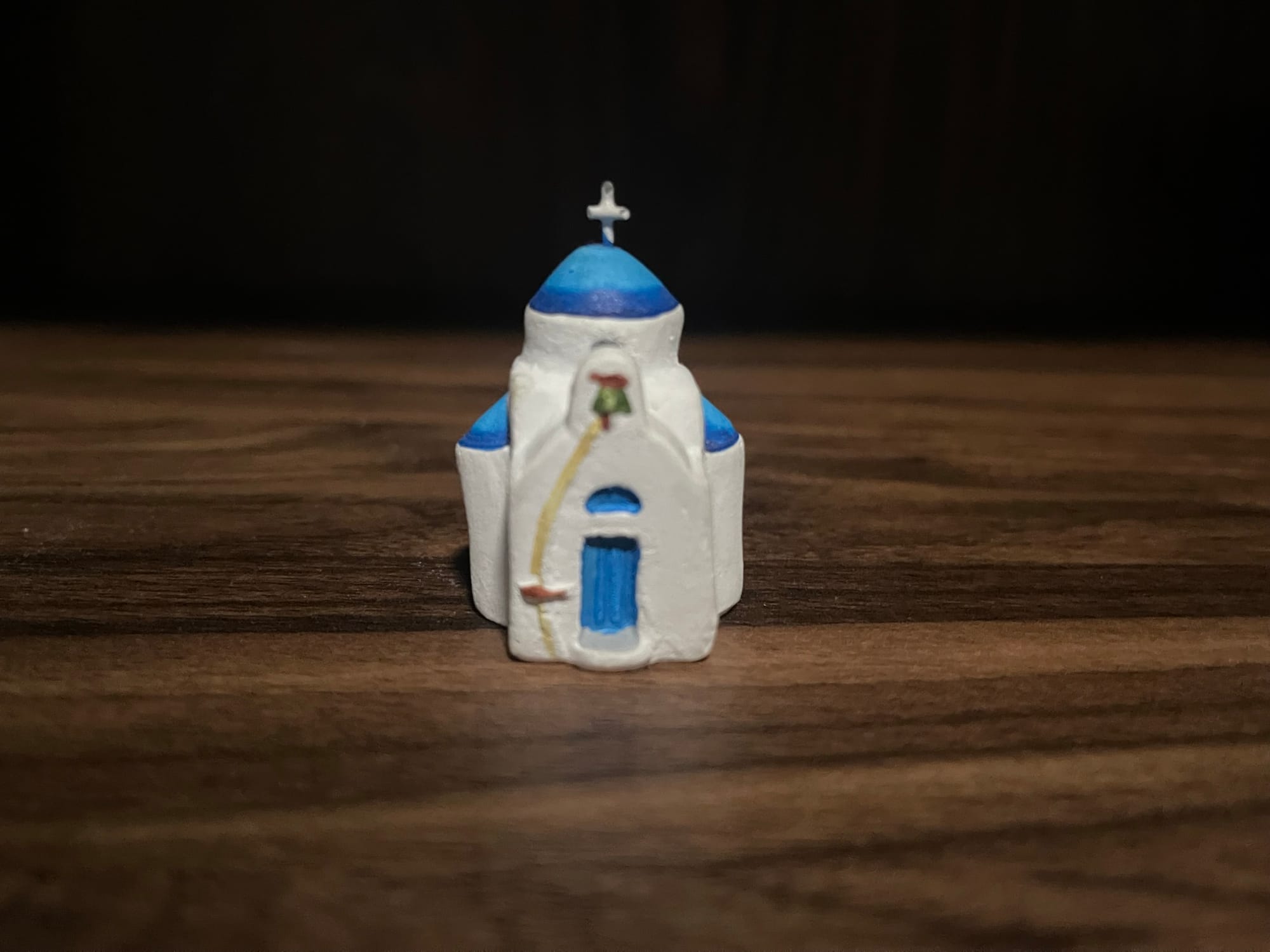
The piece I chose was a small decorative item—a little house with a blue roof, the kind of thing meant to sit on a shelf rather than hold anything. It was whimsical but not cheap, the kind of craft that walks the line between folk art and fine art. The blue was the exact shade of the domes I could see through the shop window, the white matched the walls that climbed the cliff. She wrapped it in tissue paper with a care that suggested each piece still mattered to her, even after years of making them for tourists who'd forget they'd bought them by the end of their trip.
Getting it home was the challenge. The piece was fragile—thin walls, a roof that could snap off with any significant impact—and I hadn't brought anything suitable for packing ceramics. I wrapped it in a t-shirt, then in another layer of clothing, then tucked it into the very center of my suitcase surrounded by soft things. I spent the rest of the trip mildly anxious, checking on it every evening when I returned to my cabin, convinced each time that this would be the day it had shattered in transit. That was the beginning. Every piece I've collected since, from every country, started there—in a tourist shop in Santorini.
The cruise continued: Mykonos with its windmills and reputation for nightlife, Rhodes with its medieval old town where knights once walked, a few smaller islands that blurred together in memory. Each had its own character, its own version of Greek beauty, but Santorini stayed with me most vividly. Maybe because it was first, or maybe because the landscape there is genuinely unique—that caldera view, those cliffs, the sense of geological violence barely contained beneath the surface of touristic tranquility.
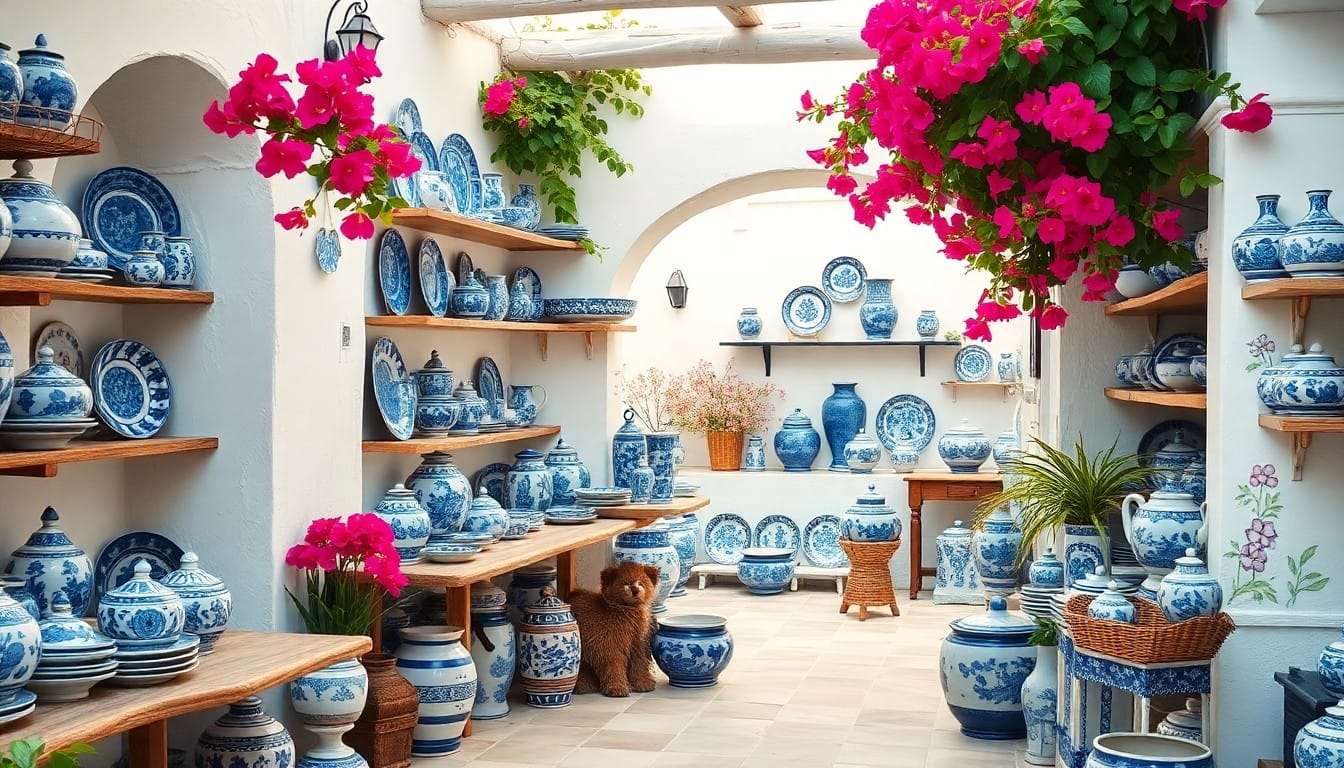
The little ceramic house survived the trip home—the careful wrapping paid off, not a chip or crack anywhere. It sits on my shelf now, that traditional white and blue of Greek tourism, a reminder of a week I spent with family in a place one only could dream of seeing. The cruise format still isn't my preferred way to travel, but it got us all there together, made the logistics possible for people who couldn't have managed a more adventurous trip. Sometimes the manufactured is worth it for what it enables.