
Table of Contents
Within five minutes of entering Fes's old city, I watched a chicken get its head chopped off. A man in a bloodstained apron held the bird by its feet, made one clean motion with a knife, and tossed the body into a pile.
I did Morocco alone, which in retrospect was exactly the right call. You need to be untethered to let a place like that take you wherever it wants to go. No compromises about what to see or where to eat, no waiting for someone else to be ready in the morning, no negotiating the inevitable tensions that arise when two people experience the same foreign place differently. Just me and a country that operated by rules I didn't understand, navigating by instinct and whatever help the universe chose to provide.
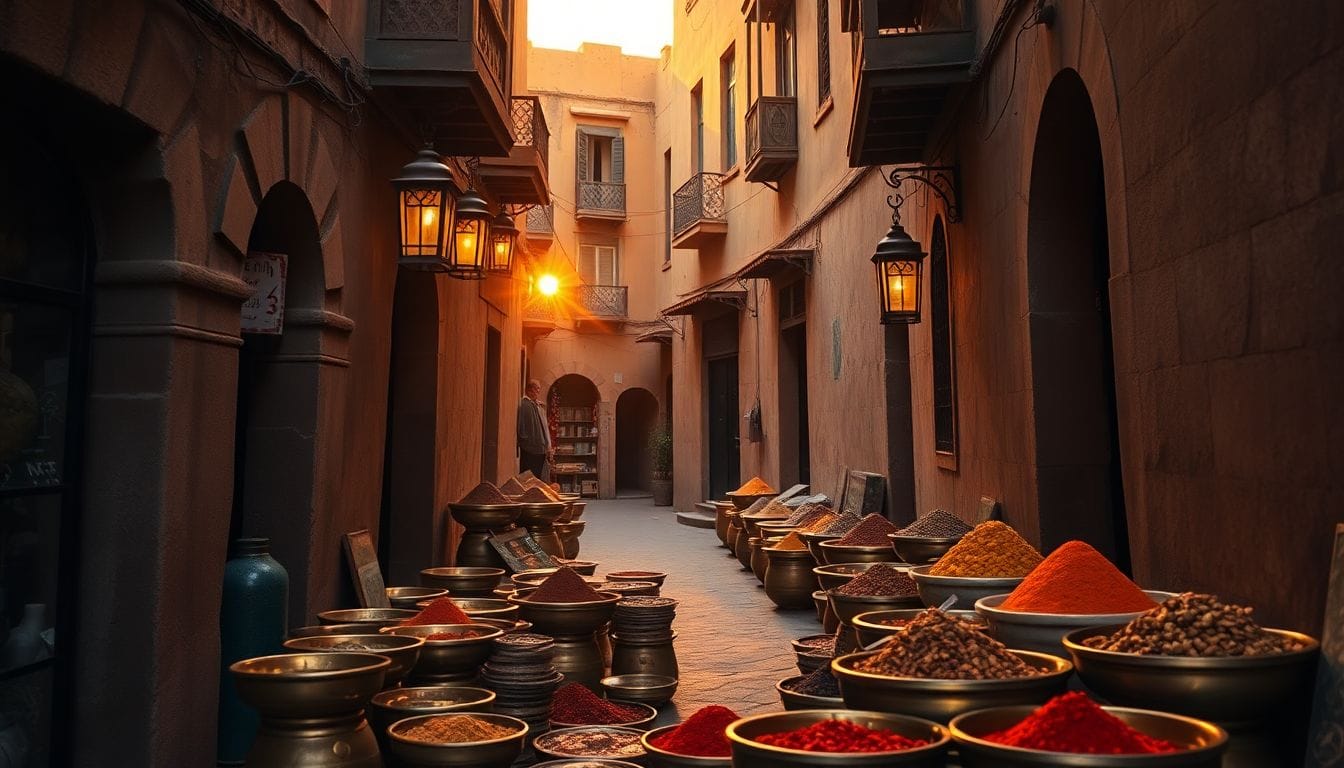
Fes is medieval in a way that's hard to comprehend until you're standing in it. The medina is a labyrinth—nine thousand alleyways, they say, though I don't know who counted them or how. GPS is useless; the streets are too narrow and the buildings too tall for satellites to help. You navigate by landmark, by smell, by the particular quality of light filtering through the gaps between buildings that lean toward each other like old friends sharing secrets. The tanneries announce themselves from blocks away, the pungent chemical smell of the dye pits hitting you before you can see them. The spice markets create olfactory zones where cinnamon and cumin and saffron compete for your attention. I got lost constantly. That was the point.
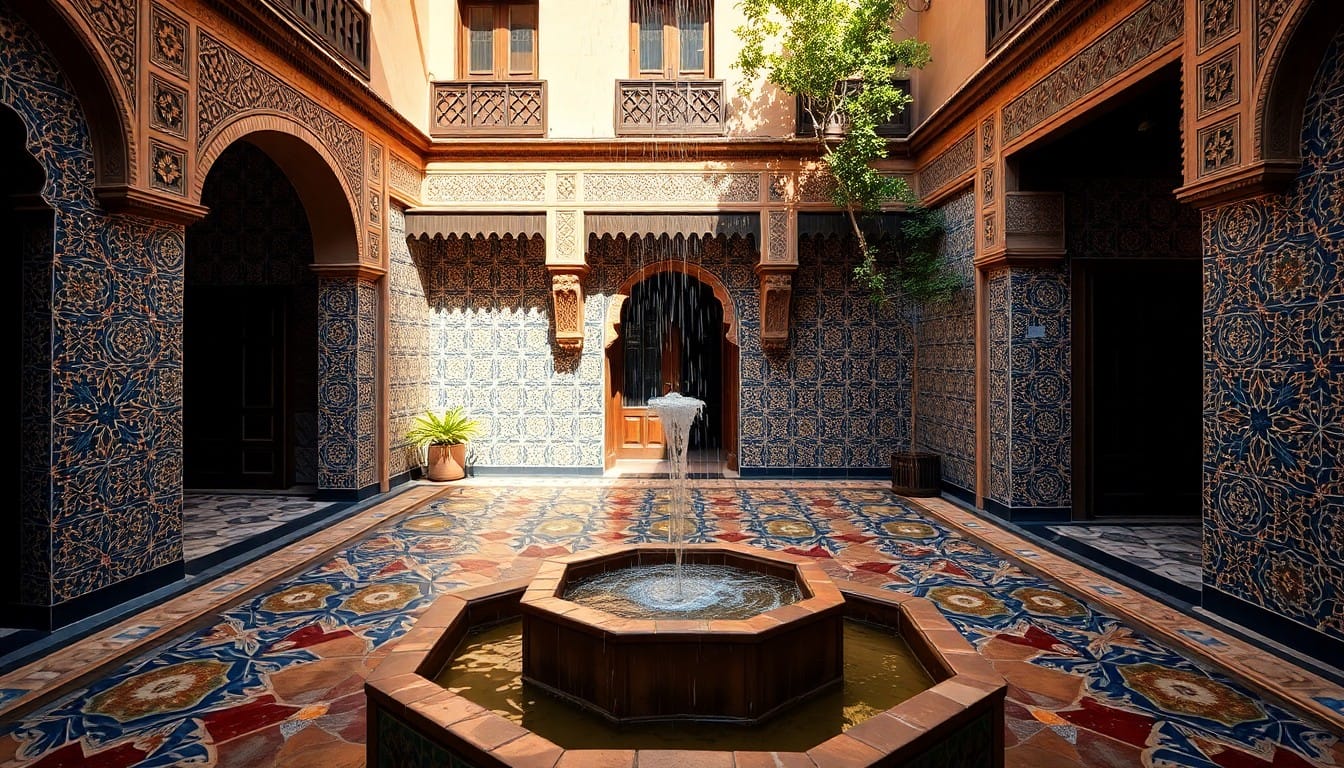
I found my riad after an hour of wandering, following hand-drawn directions from a man who may or may not have been leading me to the right place. A riad is a traditional Moroccan house built around a central courtyard, the architecture designed for privacy and climate control, the exterior walls giving no hint of the beauty inside. My riad's door was set in a plain wall on an unpromising alley; I almost walked past it twice. But then the door opened and suddenly I was in a courtyard with a fountain, zellige tiles climbing the walls in geometric patterns that made my eyes dance, mint tea waiting for me on a brass tray. That first night it rained, and I sat in the courtyard listening to water hit the tiles and felt genuinely happy to be somewhere so foreign, so old, so completely outside my normal life.
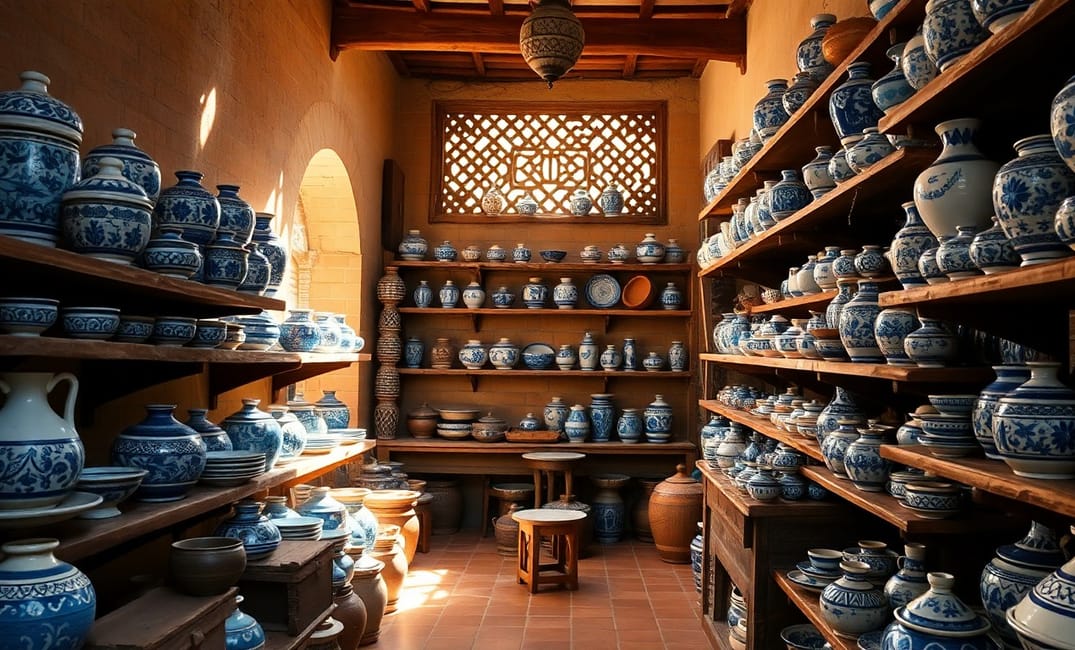
The pottery found me on my second day. A Jewish woman ran a ceramics shop in one of those corners of the medina that you could never find again if you tried—the kind of place where you turn left at the carpet seller, right at the fountain, through the archway, and then it's somehow there. Her family had been making pottery in Fes for generations, she told me while wrapping my purchases in newspaper, how they'd survived by being essential, by making things people needed. The Jewish community in Morocco has dwindled over the decades, but echoes remain, families like hers carrying on traditions that predate the modern nation.
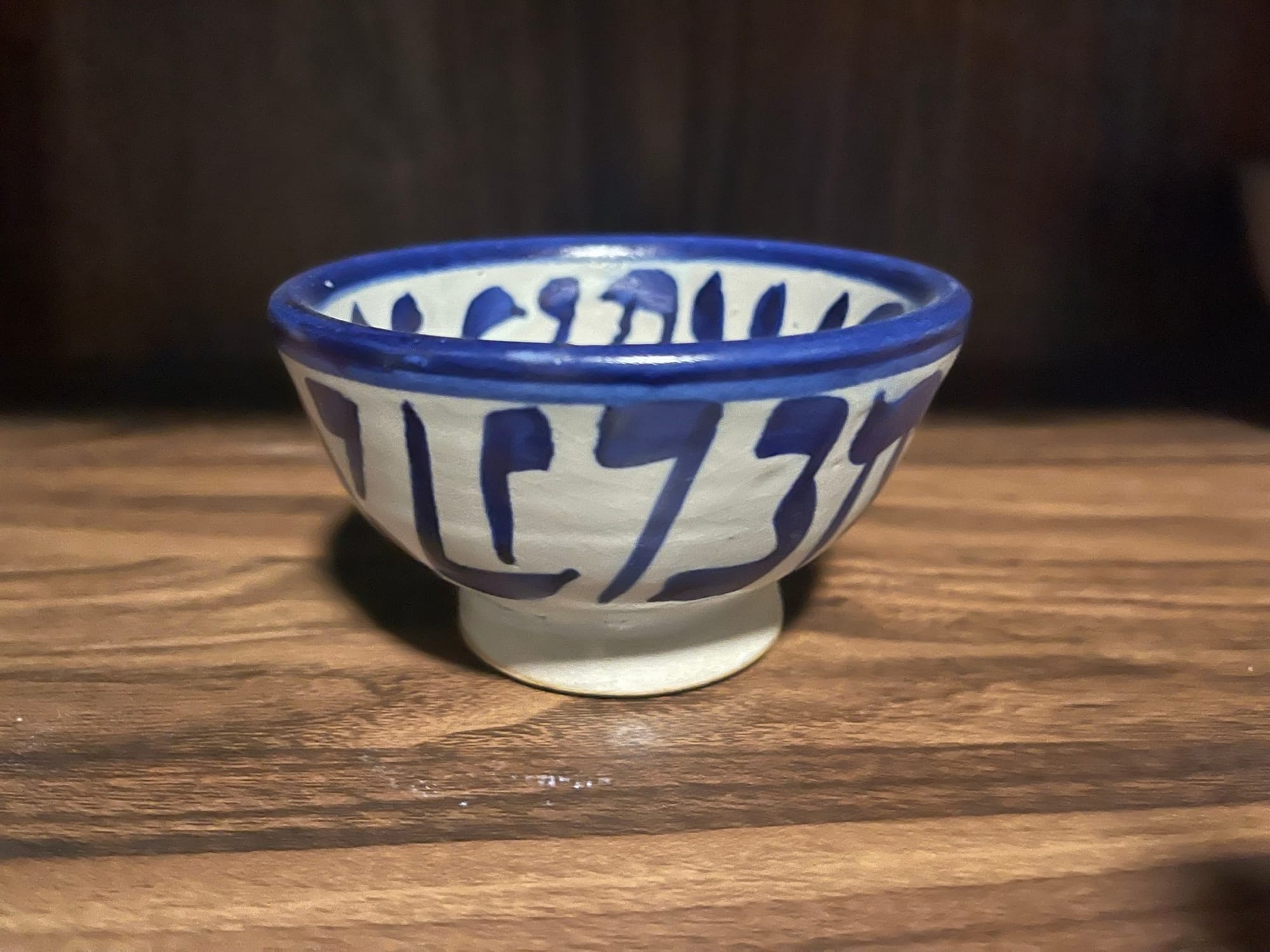
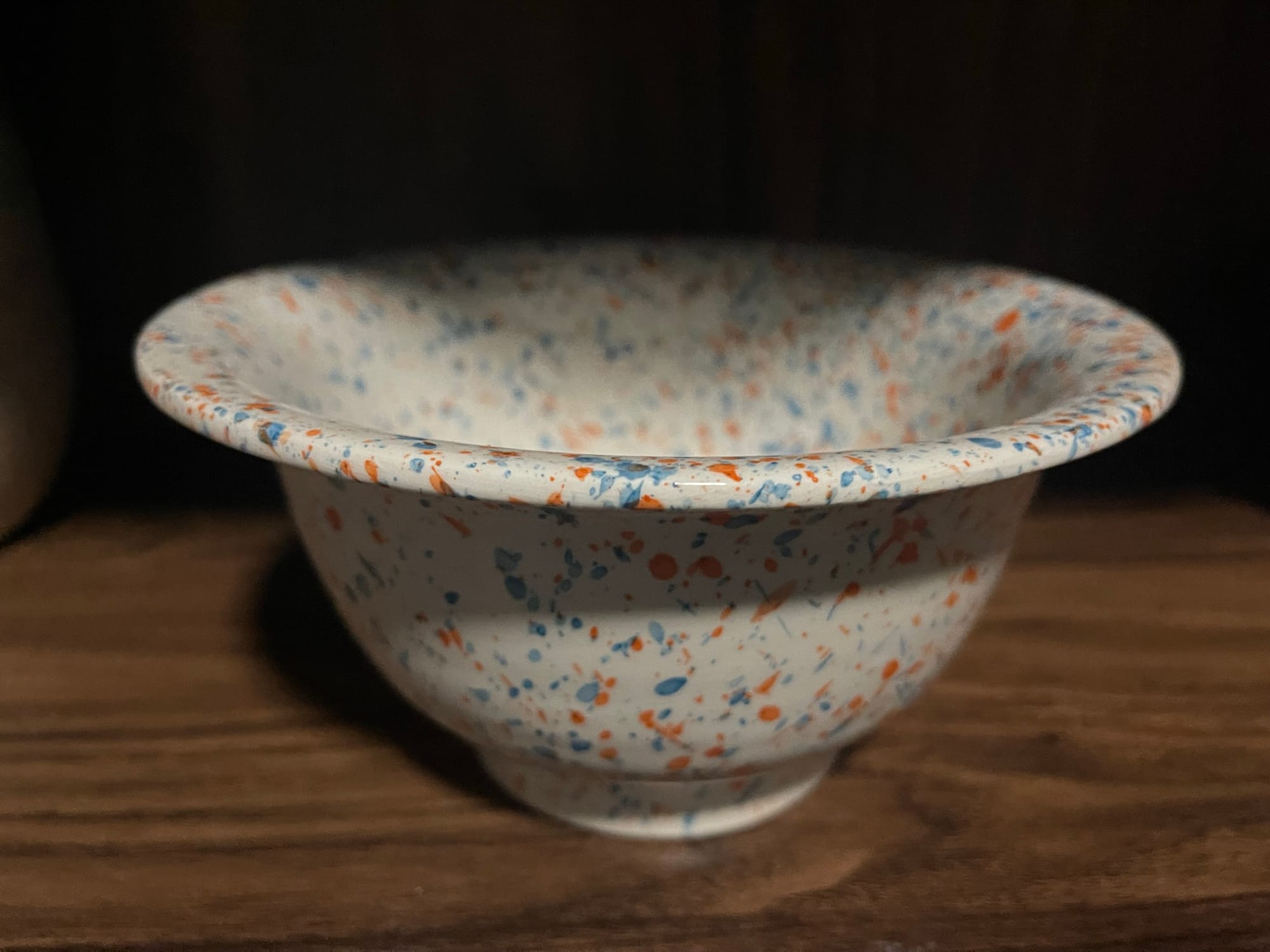
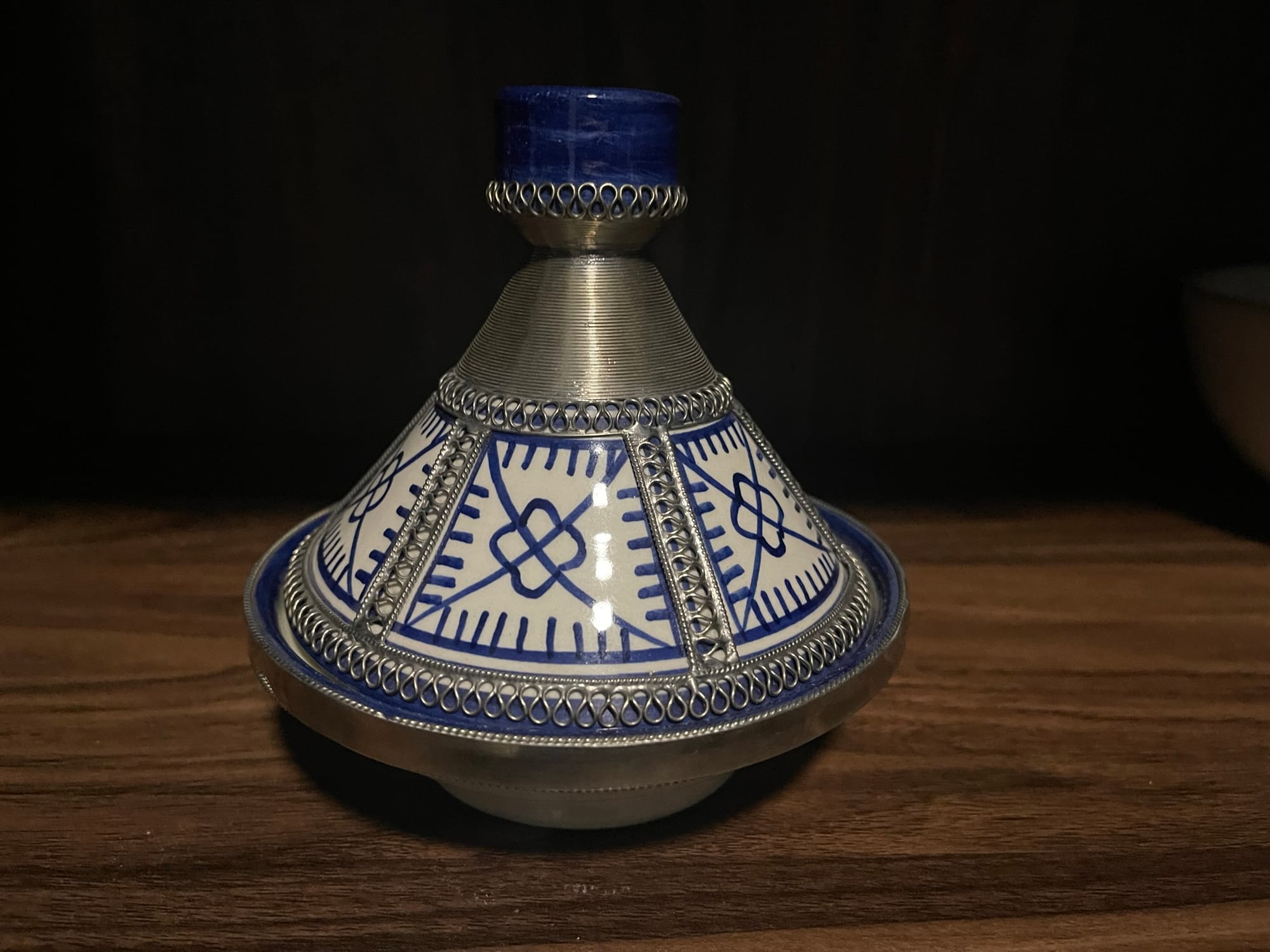
I bought a small footed bowl painted with bold cobalt brushstrokes, the kind of confident angular marks that feel almost like Arabic calligraphy even when they're not spelling anything. The brushwork was assured, the product of someone who'd painted the same strokes thousands of times, muscle memory translated into art. I bought a speckled bowl with flecks of blue and terracotta scattered across its surface like confetti frozen in ceramic. And I bought a miniature tagine wrapped in silver filigree so intricate it must have taken someone days to complete. I knew I'd never cook with it. I bought it anyway.
The medina swallows you. Alleys twist back on themselves, opening into squares you're certain you've never seen before, then depositing you exactly where you started.
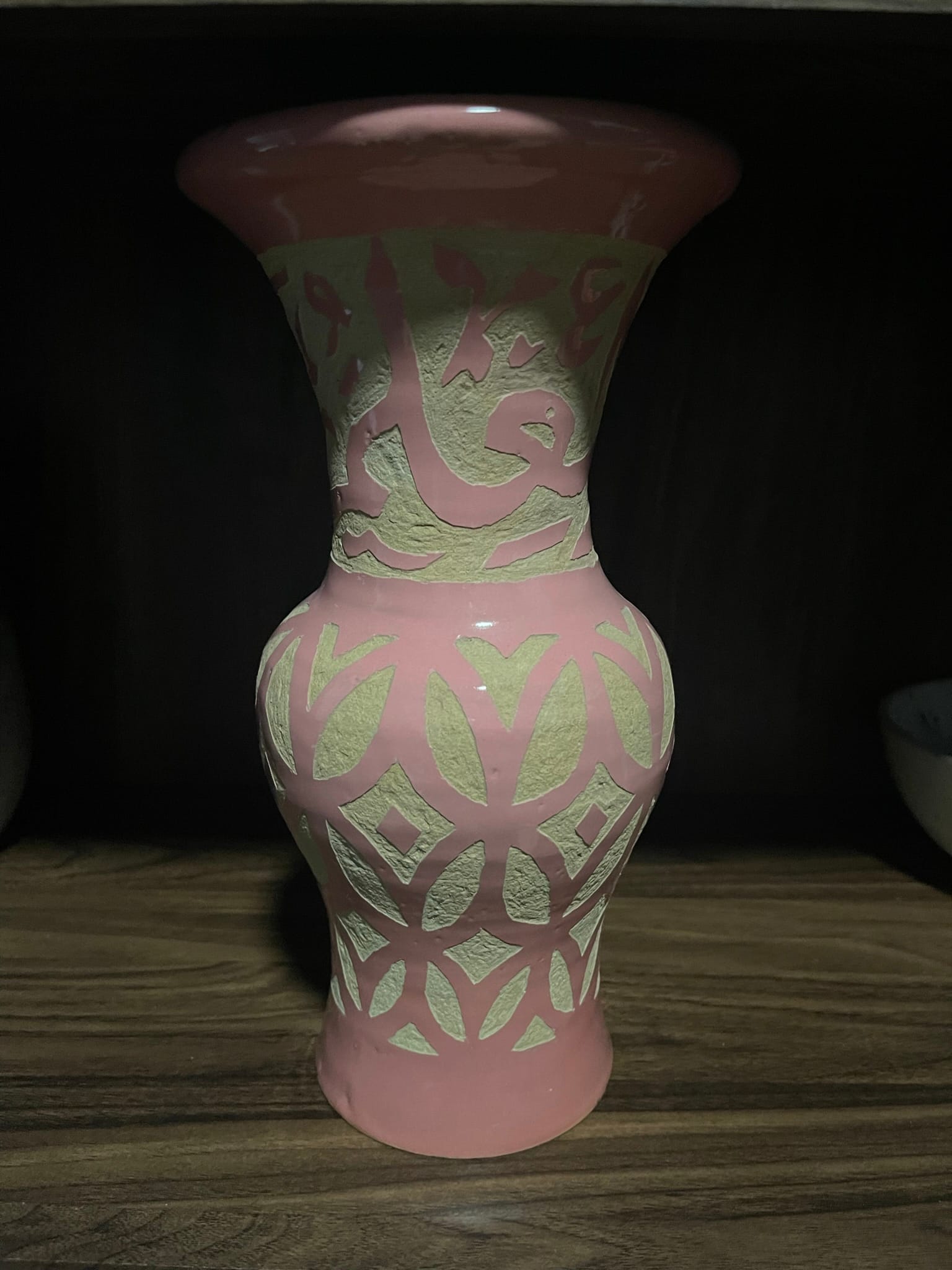
The pink sgraffito vase came from a different stall entirely—a guy selling out of a narrow doorway who seemed surprised anyone had stopped. He'd carved through a cream slip to reveal the pink clay underneath, creating these flowing leaf patterns that felt almost Art Nouveau despite coming from a thousand-year-old tradition. The technique is ancient, but his interpretation felt fresh, personal, not merely repetition of what had come before. I haggled badly because I wanted it too much, and he knew. That's the economics of desire made transparent.
From Fes I took the train to Marrakech, watching the landscape shift from medieval rooftops to open countryside to red desert. Morocco is a country of dramatic transitions; you can traverse centuries and climate zones in a single day's travel. I hired a driver to take me to Chefchaouen, the blue pearl, where I wandered around taking photos like every other tourist who's ever been there. The whole town is painted blue—walls, doors, stairs, everything—and it's beautiful in a way that feels almost too perfect, like a movie set. The blue is supposedly meant to symbolize the sky and heaven, or to keep mosquitoes away, or to mark the Jewish quarter that once existed there; the explanations vary depending on who's telling them.
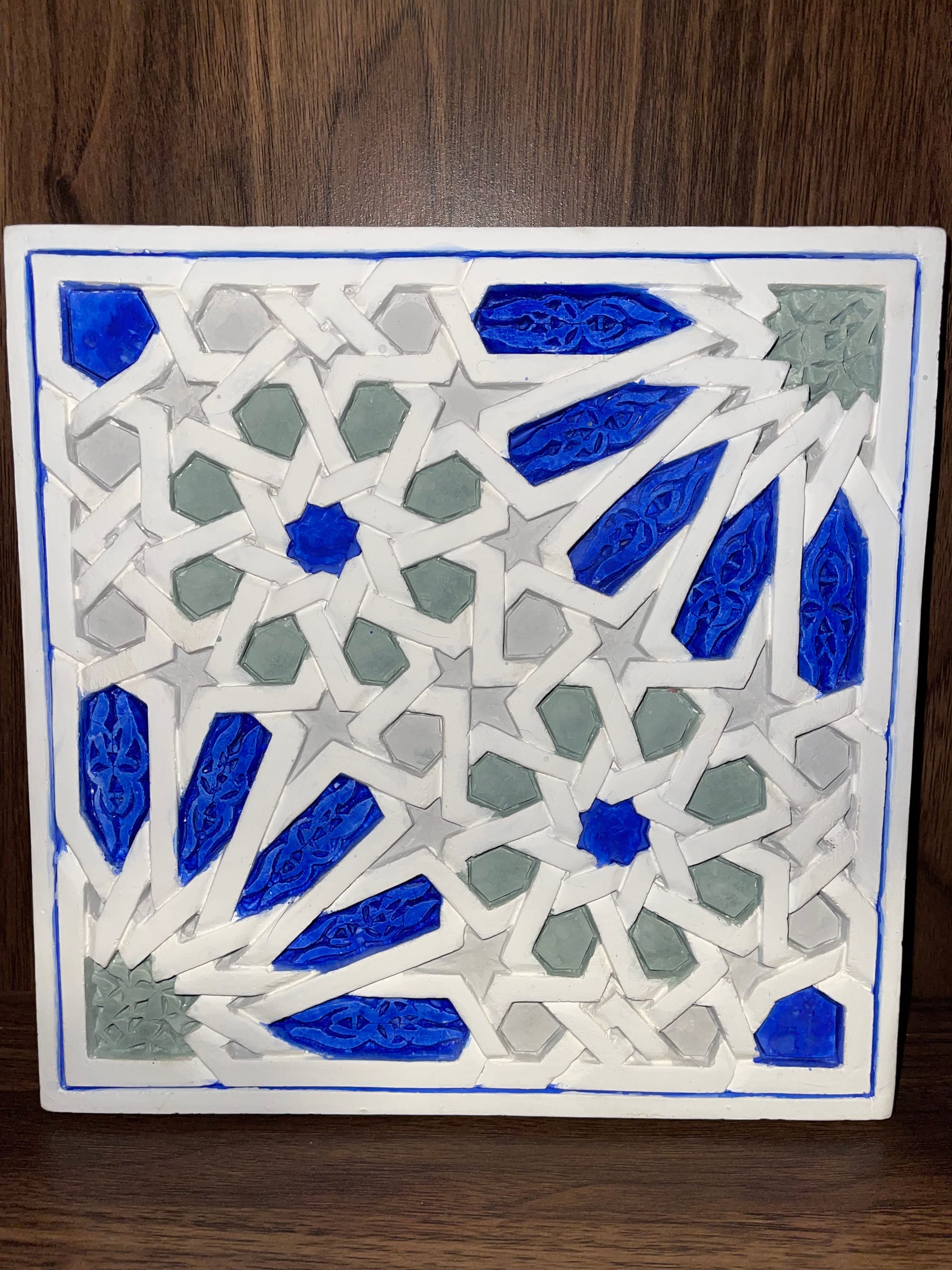
But the real find in Marrakech was the terracotta tiles. I bought three of them from a vendor in the medina after a mosque tour with a hired guide. Every mosque we entered stopped me cold—the woodwork, the ceramic, the zellige tilework, all of it impossibly intricate, patterns within patterns within patterns until your eyes couldn't track them anymore. The tiles I bought echo that geometry: one with Islamic star patterns in deep cobalt and warm terracotta, another with arabesque flourishes in earth tones that seem to glow in certain light, a third with interlocking stars in cobalt and sage green. They're meant for walls, not floors. Purely decorative. I carried them with me through the rest of the trip wrapped in a scarf, constantly checking that they hadn't cracked.
Which included the Sahara.
I went into the desert on a camel, all my pottery and a rug I'd bought bundled in cloth and strapped to the animal's side. The camel's name was something I couldn't pronounce, Arabic syllables that slid past my untrained tongue. After an hour of riding I felt too guilty to continue—the animal was clearly exhausted, its gait unsteady, and I weighed more than the average tourist—so I paid a Bedouin guy to drive me the rest of the way in his pickup truck. His family took me in for lunch because I was the only tourist around that day. We ate tagine and bread and drank mint tea and communicated mostly through gestures and smiles. His wife watched me with an expression I couldn't read; his children stared openly, unused to strangers who looked like me.
Moroccan blue isn't like other blues. It's deeper, almost electric, the color of something that wants to be remembered.
That night we had dinner in the middle of the Sahara. No lights except stars. No sounds except wind. Just sand in every direction as far as I could see, which in the darkness wasn't far at all. The stars were impossibly bright, the Milky Way a smear across the sky, the kind of sky that humans used to see everywhere and now can only find in deserts and remote islands. Earlier that day a kid named Osama had taken me around the dunes in a four-wheeler—I'd hit an ATM in town and paid him and his friend in cash, and they'd shown me parts of the desert that weren't on any tour. We'd climbed a dune so tall it took twenty minutes, and from the top the world looked like another planet, curves of sand stretching to every horizon, the color shifting from gold to orange to pink as the sun moved across the sky.
I think about Morocco more than most places I've been. The prayer call at three in the morning my first night, echoing across Fes when I hadn't expected it, pulling me from sleep into a disoriented awareness of where I was and how far from home. The souks that smelled like leather and spices and something always burning somewhere. The way people looked at me—curious but not hostile, assessing but not threatening, trying to figure out what kind of tourist I was and how to approach accordingly. The constant negotiation over everything, prices shifting based on how much the seller thought you wanted something, commerce as performance art.
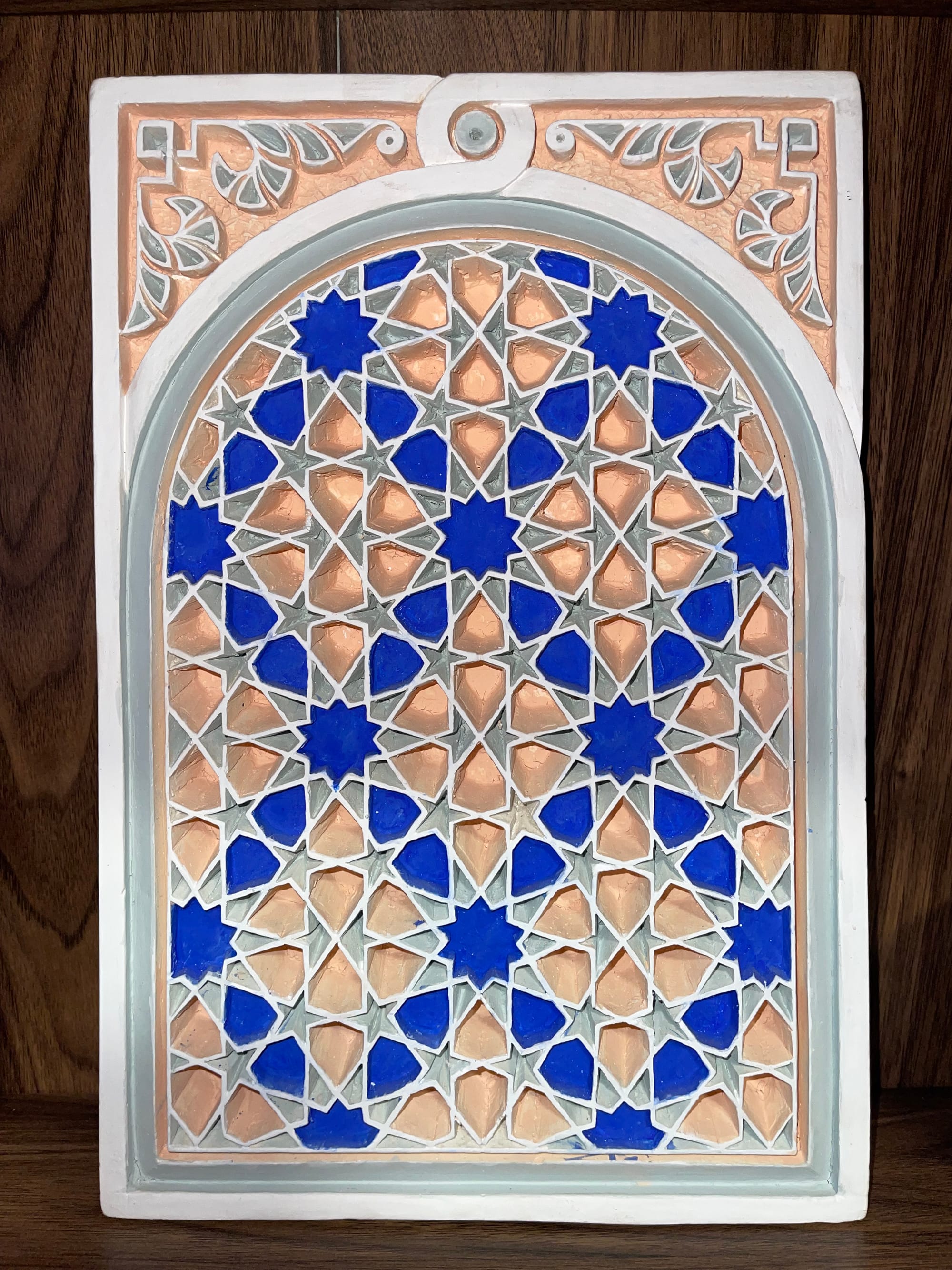
The tiles hang on my wall now, their geometric patterns catching light at different times of day, different seasons, different apartments as I've moved from place to place. The little tagine sits on a shelf doing nothing useful, its silver filigree slightly tarnished from the years, still beautiful in its uselessness. The bowls hold whatever needs holding—keys, change, the small debris of daily life. Sometimes I pick one up and remember the sound of rain in that riad courtyard, or the silence of the desert, or the chicken.
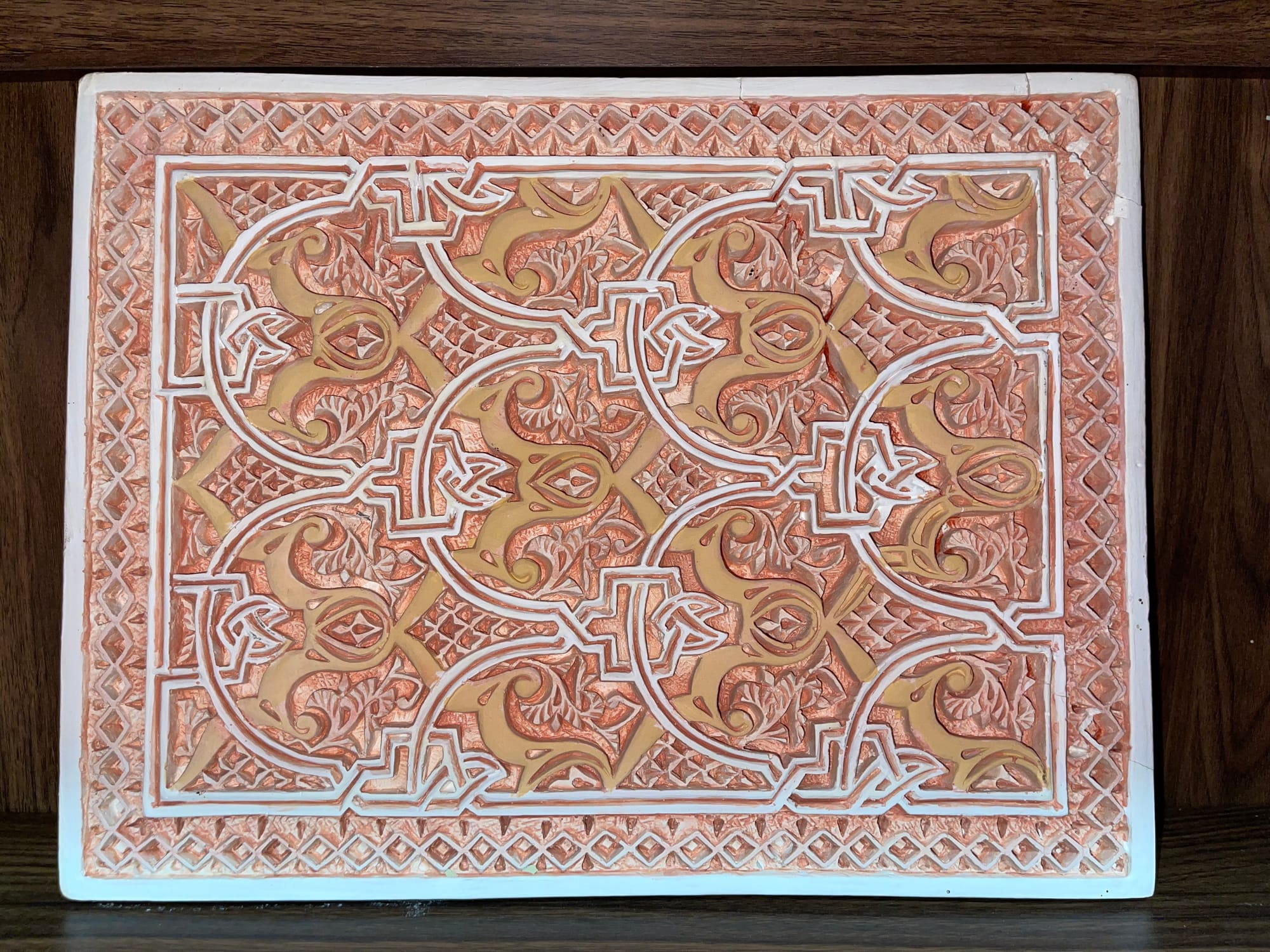
Morocco isn't a place you explain to people who haven't been there. The words always fall short: too chaotic, too beautiful, too confusing, too magical. You just show them what you brought back and hope they get a glimpse of something that changed you. The pottery is my best evidence, these objects made by hands I briefly touched, carrying the weight of a tradition I only glimpsed, holding memories I couldn't keep any other way. They sit in my apartment, miles and years from where they were made, and they remember what I'm starting to forget—the textures and smells and sounds of a place that rewired something in my brain, that taught me how small my world had been before I stepped outside it.