
Table of Contents
I rented a BMW and drove through Catalonia in autumn. The Spanish rental agencies don't ask many questions when you're young and confident and waving a credit card.
The village I returned to most was Montserrat, though "village" is generous—it's mostly a monastery perched impossibly on a mountainside, the kind of place that makes you believe in God or at least in the human capacity for devotion. The mountain itself is extraordinary: weird, serrated peaks of conglomerate rock that look like the fingers of a giant hand reaching skyward. Legend says an angel carved the mountain with a golden saw; geologists say it's the eroded remains of an ancient seabed. Both explanations feel equally implausible when you're standing there looking at it.
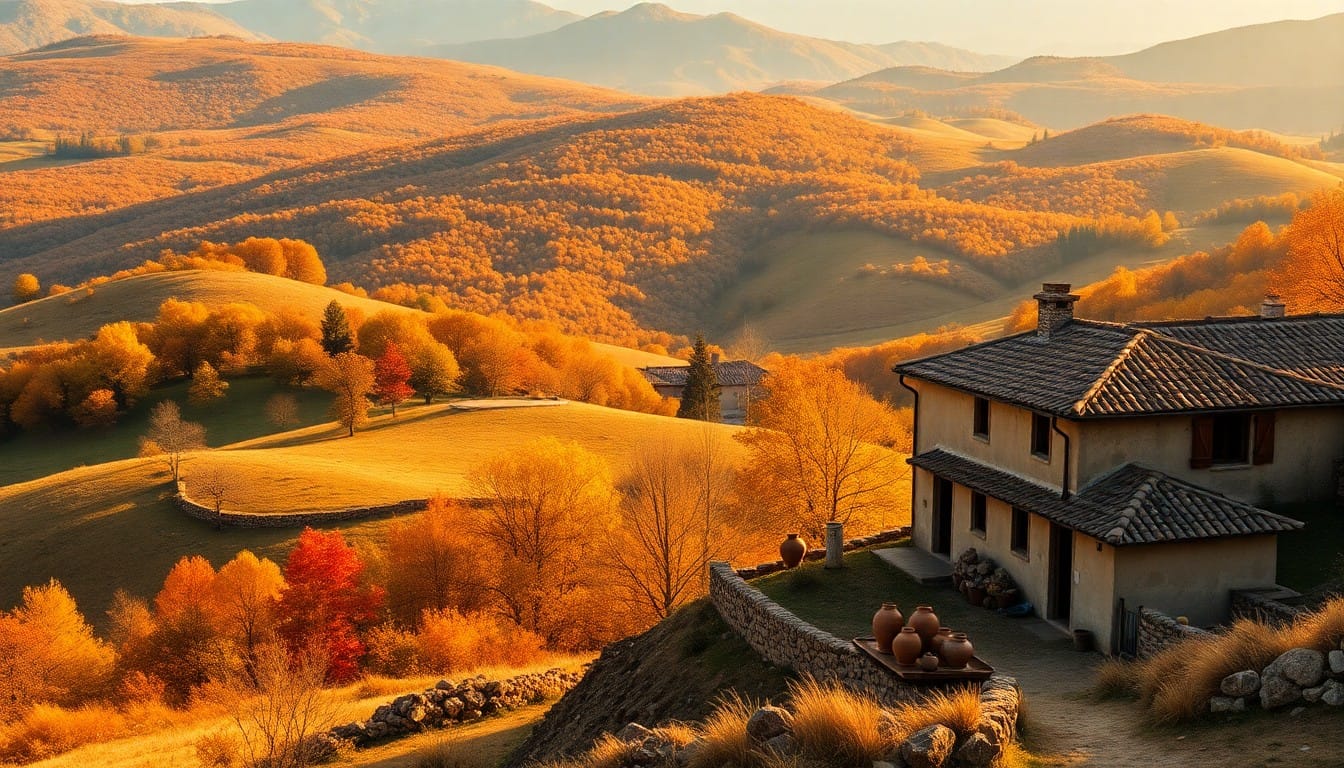
The Benedictine monks have been at Montserrat for a thousand years, tending the shrine of the Black Madonna, singing the same chants their predecessors sang centuries ago. You can attend Mass in the basilica, listen to the boys' choir whose voices echo off the stone walls, stand before the Black Madonna and touch her outstretched hand as pilgrims have done for generations. I'm not religious in any traditional sense, but there's something about places where people have practiced devotion for a millennium that transcends belief. The accumulated faith lingers in the stones.
I'd take the cable car up, spend the day hiking the trails that wind around the peaks, and return to Barcelona feeling like I'd visited another planet. The hiking was challenging—steep paths, dramatic drops, views that made you grip the handrails even when you weren't afraid of heights. At certain points you could see the whole of Catalonia spread out below: the coast in one direction, the Pyrenees in another, the sprawl of Barcelona visible on clear days as a gray smear against the blue of the sea.
Catalonia is not Spain, the Catalans will tell you, and living there you start to understand what they mean. The language is different—Catalan sounds like a mix of Spanish and French but isn't really either—and so is the food, the architecture, the whole sensibility. There's a Catalan identity that's been suppressed and revived and is now asserting itself in ways that make the national news regularly. The independence movement was everywhere during my time there: yellow ribbons, protest signs, conversations that turned heated when the topic came up. I tried to understand without taking sides, which is probably the most an outsider can do.

The pottery I found came from a day trip to a smaller town whose name I can no longer remember. I'd taken a local train to somewhere in the interior, planning to hike and explore without a particular destination. The town had a Saturday market, farmers selling vegetables and cheese, a few craftspeople with tables of handmade goods. The whole thing had the feeling of a community event rather than a tourist attraction—people greeting neighbors, children running between the stalls, the rhythm of village life visible and intact despite the modernity pressing in from the cities.
That night I lay in bed convinced I was alone in the middle of nowhere. In the morning I discovered six hundred condominiums on the hillside below me.
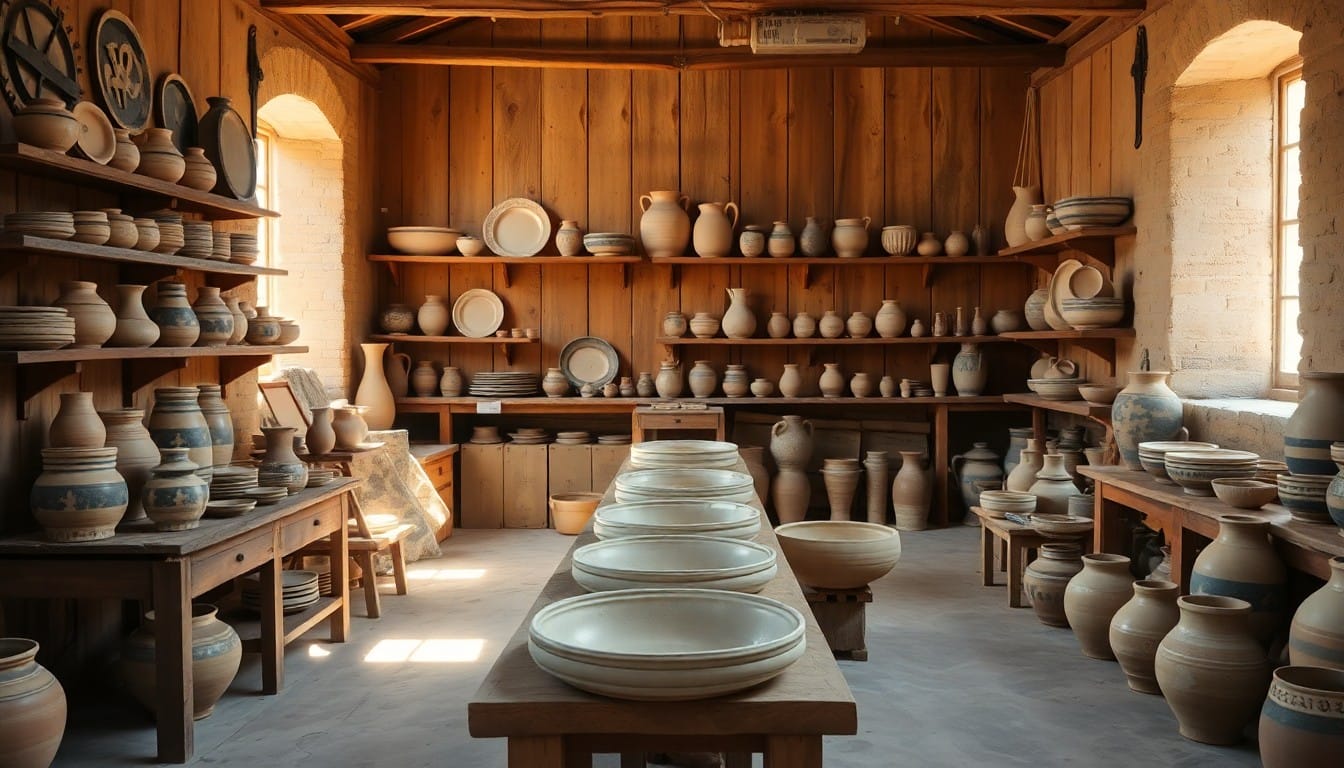
The pottery stall was run by a couple who'd been making ceramics together for decades, their workshop in a converted barn outside the village. They were the kind of couple who finish each other's sentences, who move around each other with the unconscious choreography of long partnership. He threw the pieces on the wheel; she decorated and glazed them. The division of labor had evolved over years until it felt natural, inevitable, as if the pottery required two people to be complete.
Catalan ceramics have their own aesthetic, distinct from what you'd find in other parts of Spain. The traditional styles draw on Mediterranean influences—the blues and yellows of majolica, the geometric patterns that echo Islamic tilework—but there's also a modernist tradition that connects to the architecture of Gaudí and his contemporaries. The couple at the market straddled both worlds: some pieces were traditional, repeating patterns that had been used for centuries, while others were more experimental, forms and glazes that pushed against the boundaries of the tradition.
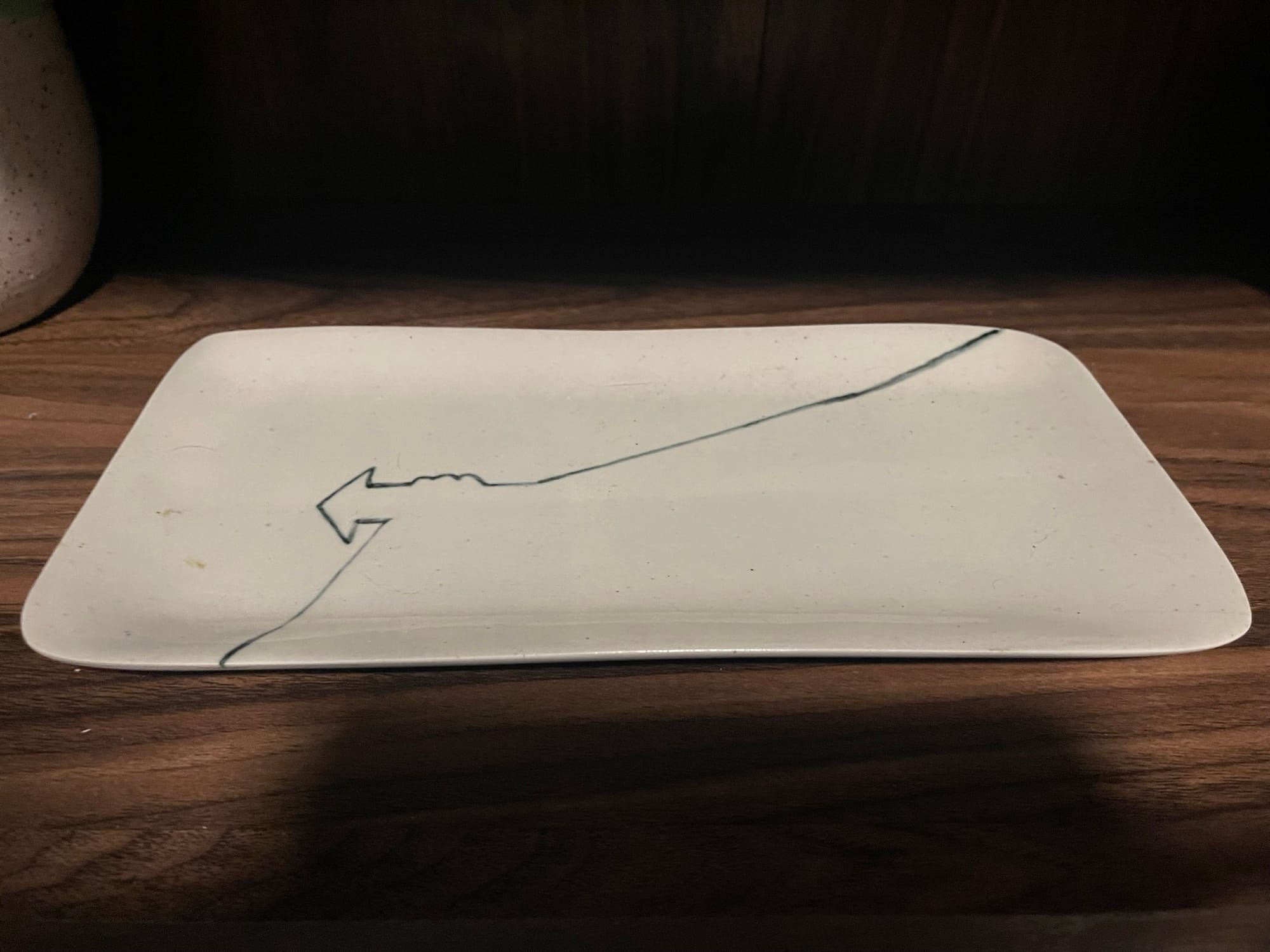
The piece I chose was somewhere between traditional and contemporary. It was a small decorative bowl, shallow and wide, glazed in warm earth tones—ochre and cream and terracotta—with a pattern that suggested both tradition and innovation. The design was geometric, interlocking shapes that created a subtle visual rhythm, but the execution had a freedom that felt contemporary. The woman who'd made it told me about the glazes, how she mixed them from pigments she'd collected over years of experimentation, how each firing was slightly unpredictable because they used a wood-fired kiln that they couldn't fully control.
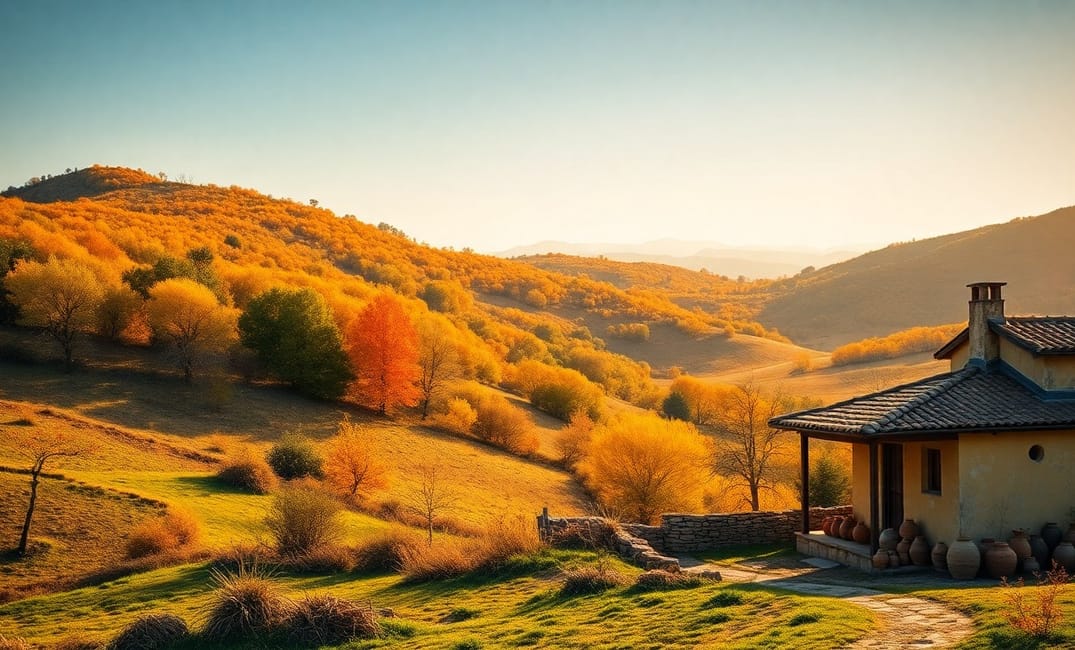
That day in the countryside felt like the essence of what I loved about living in Catalonia. The landscape was beautiful in an understated way, rolling hills and vineyards and stone villages that had been there for centuries. The pace was slow, the people friendly in a reserved northern European way rather than the effusive warmth of southern Spain. The market felt like a community event rather than a tourist attraction, locals greeting each other, children running between the stalls, the rhythm of village life visible and intact despite the modernity pressing in from the cities.
I hiked after buying the bowl, wrapping it carefully in my jacket and tucking it into my backpack before climbing into the hills. The trail wound through olive groves and past abandoned farmhouses, eventually reaching a viewpoint where I could see the Pyrenees in one direction and the Mediterranean in another. Catalonia is compressed that way—mountains and sea closer together than seems possible, the landscape changing dramatically within a few hours of walking. I sat on a rock and ate the bread and cheese I'd bought at the market, watching the afternoon light shift over the hills.
There's a lesson in that about the stories we tell ourselves when we can't see clearly. But mostly I just felt glad to be wrong.
The evening train back to Barcelona was crowded with day-trippers like me, all of us carrying some version of the countryside back to the city. I held my backpack carefully, protective of the bowl inside, already thinking about where it would go in my apartment. It arrived home intact, through a combination of luck and paranoid cushioning, and has moved with me through every apartment since.
The countryside and corners of Catalonia stay with me in ways that Barcelona itself doesn't always match. The city is magnificent—I wouldn't trade those months there for anything—but the real understanding came from the escapes, from seeing the region beyond its famous capital. The pottery is a piece of that understanding: not the spectacular architecture of Gaudí, not the beaches of the Costa Brava, but the quiet craft of a village market, a couple working with clay in a converted barn, the tradition and innovation living side by side. That's the Catalonia I carry with me. That's the keepsake that matters.
I went back to Montserrat one more time before leaving Barcelona, climbing to a hermitage even higher than the monastery. The path was steep and rocky, the kind of trail that medieval pilgrims must have struggled up, seeking isolation, seeking God, seeking something they couldn't find in the world below. At the top was a small chapel, empty except for candles and silence. I sat there for an hour, not praying exactly but not not praying either. Letting the quiet settle into me.
When I left Catalonia at the end of the semester, I took the pottery with me, carefully packed between layers of clothing. It survived the journey home, survived the moves that followed, survived the years that have passed since. The bowl from that village market is the piece I reach for most often, its colors familiar now, its weight expected. It reminds me not of Barcelona's famous sights but of the escapes, the trains into the countryside, the discoveries that happened when I wasn't looking for anything in particular. That's the Catalonia I carry with me—not the monument but the margin, not the spectacle but the silence.