
Table of Contents
The pharmacies had no drugs. The restaurants served a quarter of their menus. And if you needed a taxi to the airport, you booked it days in advance—because the drivers weren't sure they could find gasoline.
I arrived in Havana on a flight from Miami, one of the most direct routes Americans have to take to visit the island legally under the cultural exchange provisions. We touched down, and the doors opened, and the humid tropical air flooded in smelling of jet fuel and something sweeter, the particular scent of Cuba that I'd come to recognize over the next week.
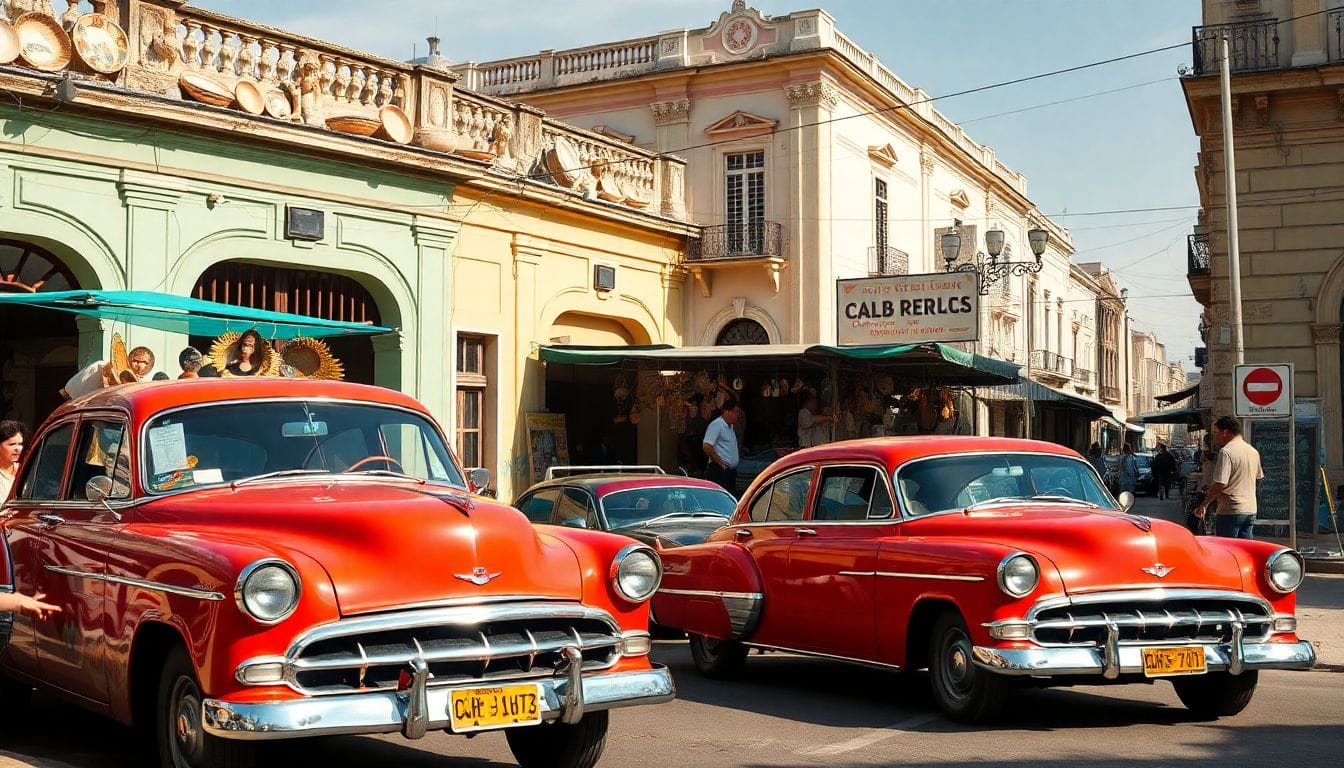
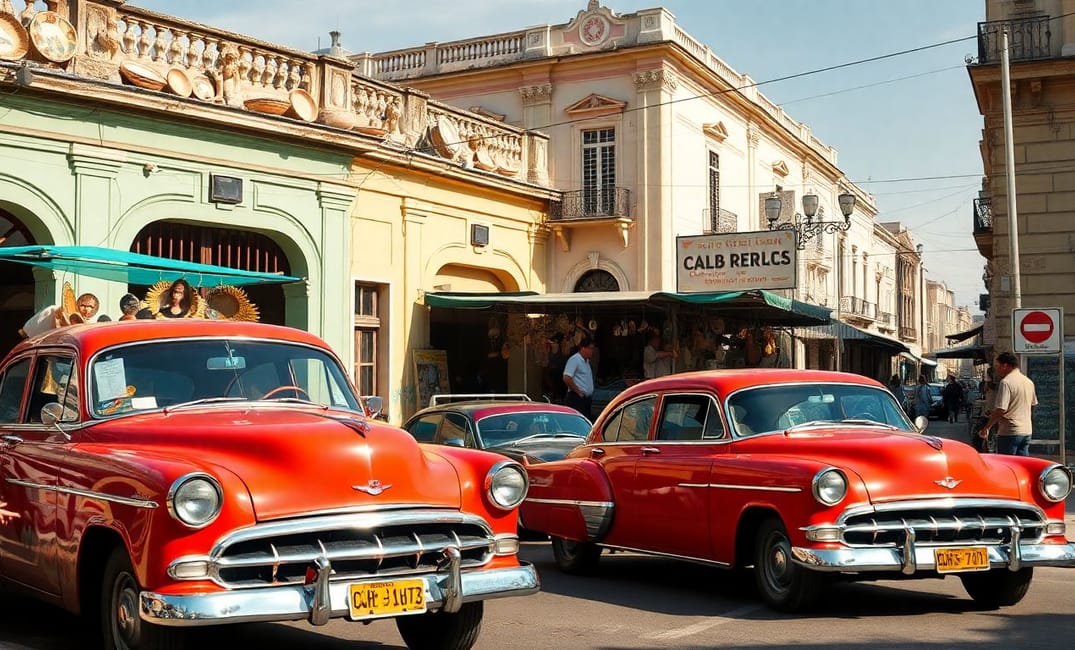
I met Ernesto on my first day in Havana. He was leaning against an ancient Chevrolet outside my casa particular—the private homes where tourists stay instead of hotels—and he offered to show me around for what seemed like nothing. He became my guide, my driver, my translator of a country that doesn't make sense to outsiders. He drove me around the island in a car that shouldn't have been running—some Frankenstein of a 1950s Chevy held together with Soviet parts and Cuban ingenuity. The engine sounded like it was coughing. The door handles didn't match. The odometer had stopped working sometime during the Carter administration. But it moved, and that was enough.
When I asked Ernesto about the airport run at the end of my trip, he said he'd try, but no promises. The gas stations were unpredictable. They might have fuel, they might not—it depended on the shipments, the lines, the informal economy of favors and connections that keeps Cuba running. He'd been driving tourists for fifteen years, he told me, and he'd never missed a flight. But he'd also had to siphon gas from other cars, borrow from friends, once even take a horse cart to meet a delivery. In Cuba, you learn to improvise or you learn to do without.
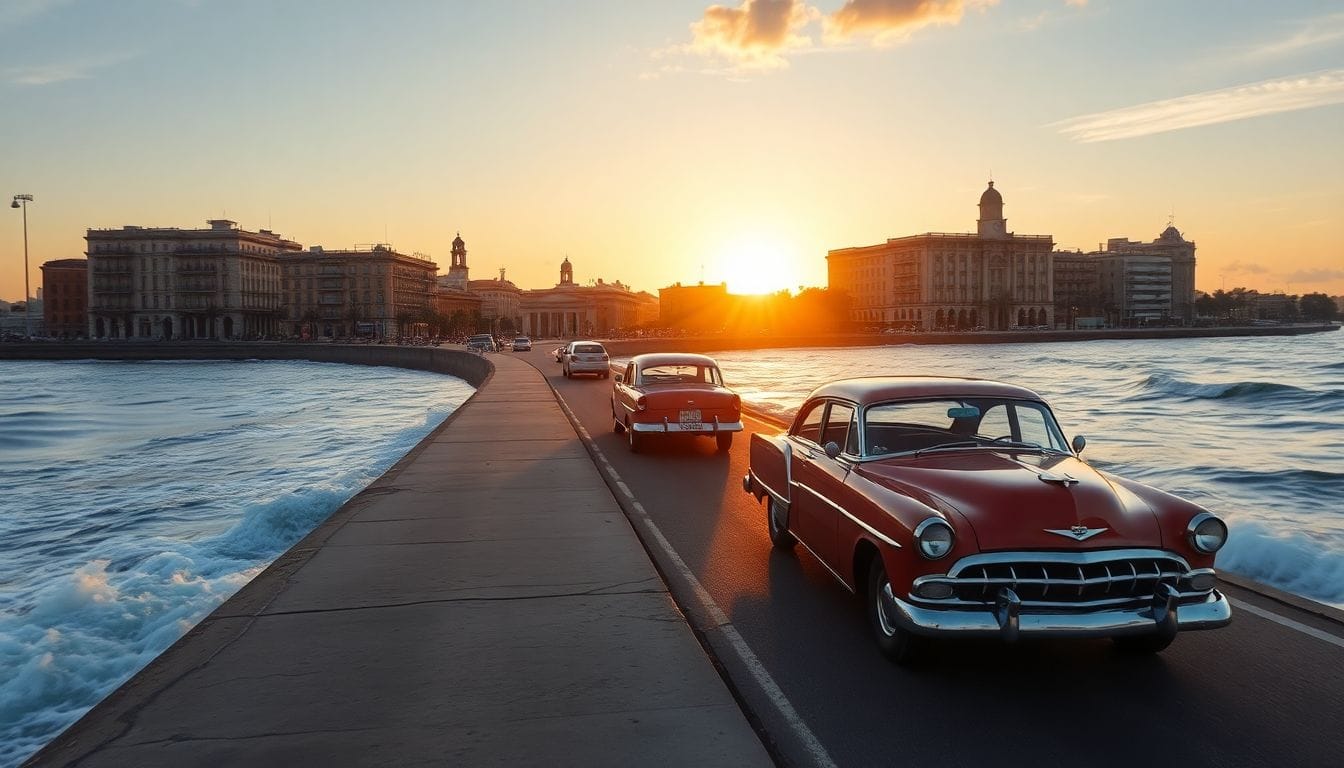
Havana itself is frozen in time, but not in a romantic way. It's crumbling. Beautiful, yes—undeniably, heartbreakingly beautiful—but crumbling. The buildings along the Malecón, that famous seawall where lovers sit at sunset watching the waves crash, are held together by hope and habit more than structural integrity. Balconies sag. Paint peels in sheets. Whole facades have collapsed, revealing the intimate interiors of apartments where families still live among the rubble. The city was built for grandeur—Spanish colonial palaces, Art Deco theaters, Beaux-Arts hotels—and that grandeur is still visible if you squint past the decay.
Cuba teaches you what scarcity actually means. Not the Instagram version of minimalism where you choose to own less, but the real thing—where choice has been stripped away.
The Malecón at sunset is something everyone should see at least once. The light turns golden, then pink, then deep purple as the sun drops into the Caribbean. Cubans gather along the wall in the hundreds—couples with their arms around each other, groups of teenagers with bottles of rum, fishermen casting into the waves, old men playing chess on boards set up on the concrete. The sea spray catches the light. Someone always has a guitar. It's the kind of scene that looks like a movie set, too perfect to be real, but it happens every single night as it has for decades. The sunset doesn't care about embargoes or scarcity. It comes regardless.
The faded pastels of the buildings, the music spilling out of every doorway, the classic American cars that have somehow kept running for seventy years—it's all there, the Cuba of postcards and travel brochures. But so is the reality that people are making do with almost nothing. I saw ration books in every home I visited, the monthly allotments of rice and beans and oil that aren't enough to live on. I saw families sharing meals that would barely feed one person in America. I saw the ingenuity of people who've learned to fix everything because they can't replace anything—mechanics who rebuild engines from scratch, electricians who wire houses with salvaged materials, seamstresses who create new clothes from old ones.
And yet. And yet the Cubans I met were some of the happiest, most welcoming people I've encountered anywhere. Maybe happiness isn't about abundance—maybe it's about community, family, music, the small pleasures that persist regardless of economic systems. Ernesto invited me to dinner at his mother's house one night, a tiny apartment in Centro Habana where three generations lived together. She made ropa vieja from god knows what—the beef was stringy and sparse, the dish stretched with extra rice—but she served it with such pride, and the family gathered around the small table with such obvious affection for each other, that the meal felt abundant anyway.
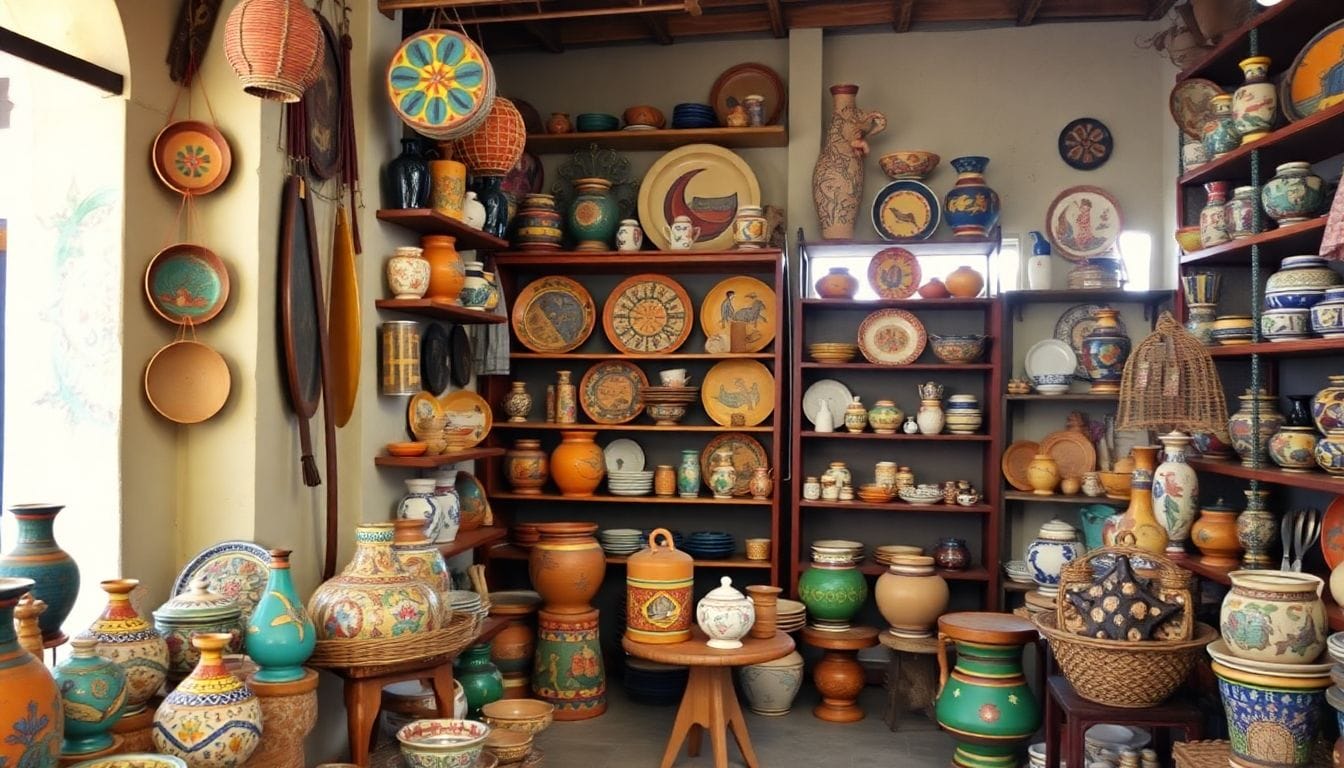
I found the ceramic oil burner in an artisan market in Old Havana, a covered space where craftspeople sold what they made. The market was mostly for tourists, the prices in CUC (the convertible peso tourists had to use) rather than the local currency. But the work was genuine—woodcarvings and paintings and jewelry made by Cubans who'd turned craft into survival. Import anything? Good luck. So they create.
That ambiguous face stares out with an expression I still can't read—serene or sad or simply patient, the look of someone who has learned to wait for things that may never come.
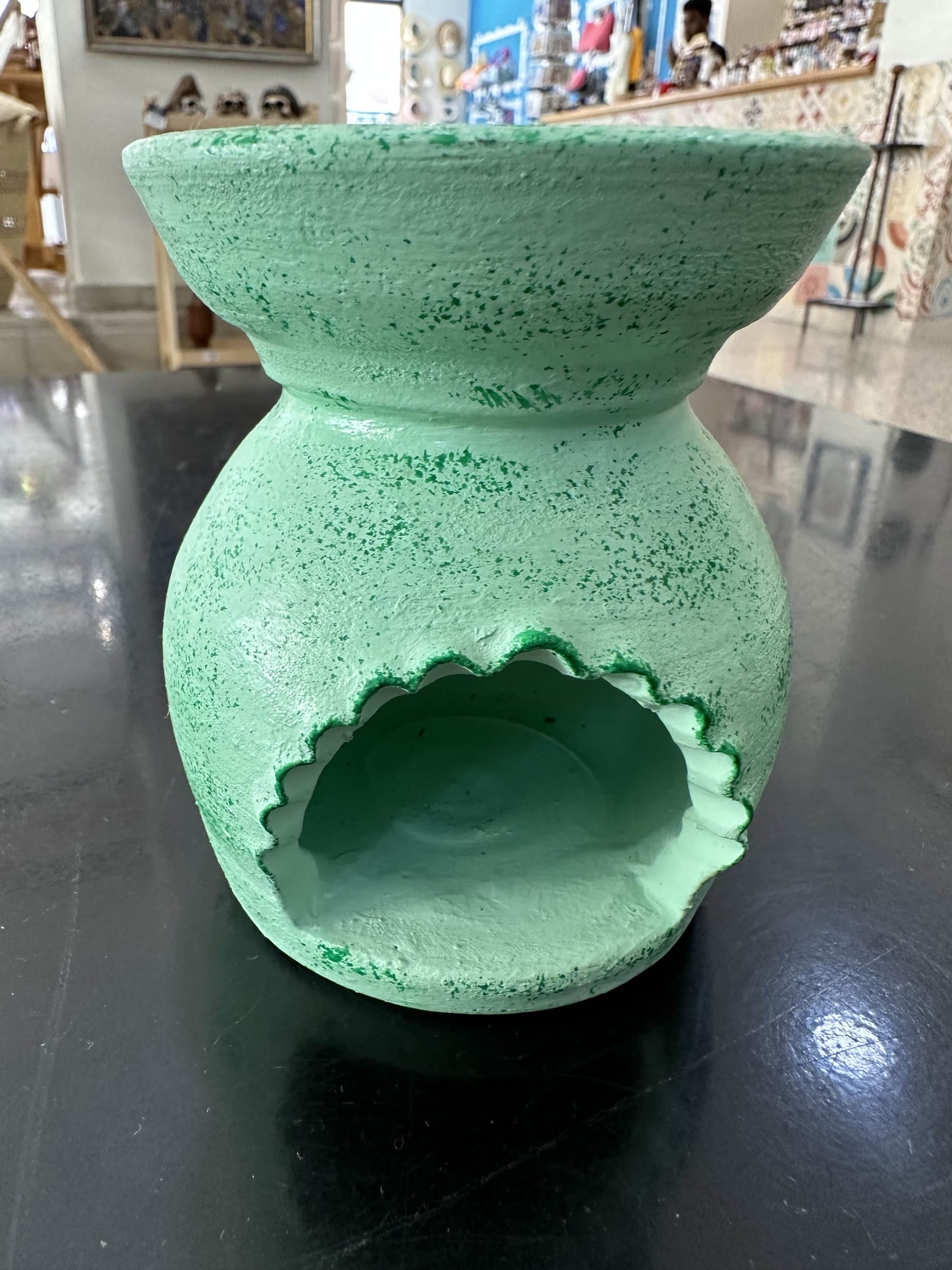
The oil burner was made by a woman who sat behind her table looking slightly bored. She had maybe a dozen pieces for sale, all in the same mint-green glaze, each slightly different in shape. The one I chose was maybe four inches tall, with a scalloped opening at the base for a tea light candle and a small dish on top for the oil. The glaze had a speckled texture, imperfections that spoke to hand-mixing and wood-firing and all the things that mass production eliminates. When I held it, I could feel the slight variations in thickness where her hands had shaped the clay.
She told me—through a combination of broken English and my worse Spanish—that the oil burner was functional folk art, the kind of thing Cubans make because they have to make things. Essential oils for fragrance, she explained, or just the warm glow of a candle in the evening. A small luxury in a place where luxuries are hard to come by. I paid her in CUC and she nodded her thanks, already turning her attention to the next potential customer. Commerce, even in communist Cuba, follows familiar rhythms.
Ernesto did make it to the airport on my last day. He'd found gas somewhere—he wouldn't say where, just smiled and patted the Chevy's dashboard like it was a trusted friend. We drove through Havana one last time, past the crumbling buildings and the vintage cars and the people going about their lives with a resilience I could barely comprehend. At the airport, I gave him everything I had left in CUC, which was probably more than I owed him but less than he deserved. He'd shown me a country that most Americans will never understand, a place that defies the narratives we're taught about capitalism and communism and what makes a society function.
The ceramic oil burner sits on my shelf now, holding the memory of a place where nothing works but everything somehow does. I use it occasionally—a few drops of lavender oil, a tea light flickering in the evening—and the scent carries me back to Havana. To the sunset on the Malecón, the music drifting from unseen windows, Ernesto's coughing Chevrolet. To a country that exists outside of time, preserved by isolation like a specimen in amber, waiting for a future that may or may not come. Cuba taught me that scarcity isn't always deprivation, that community can compensate for what money can't buy, that the human capacity for joy persists in the most improbable circumstances. The oil burner is small, mint green, slightly imperfect. It's exactly what Cuba would make.