
Table of Contents
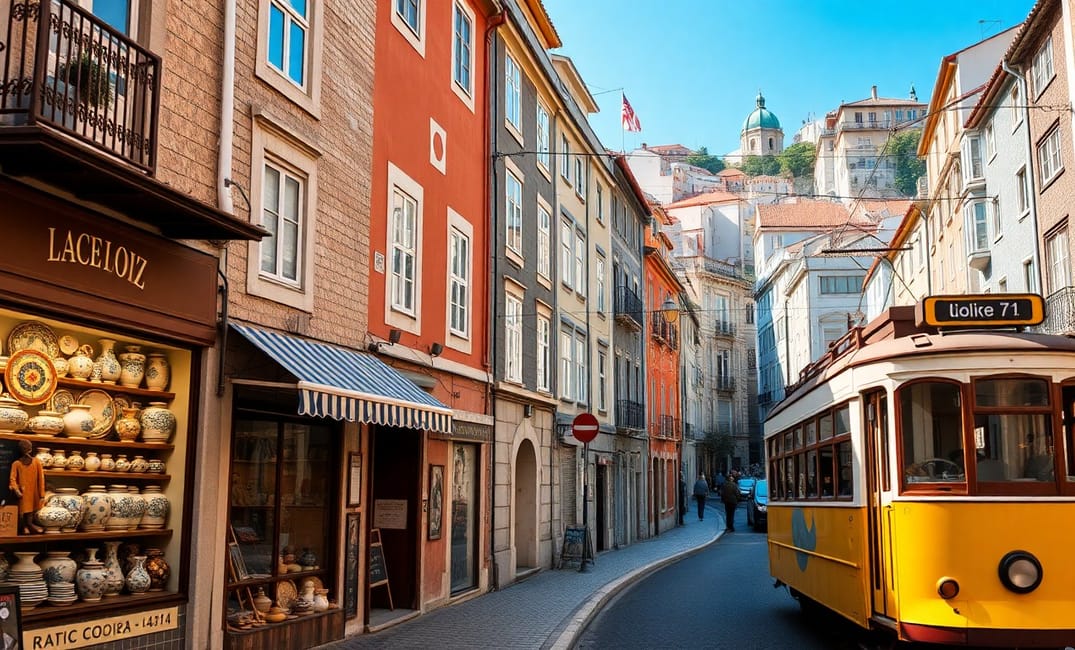
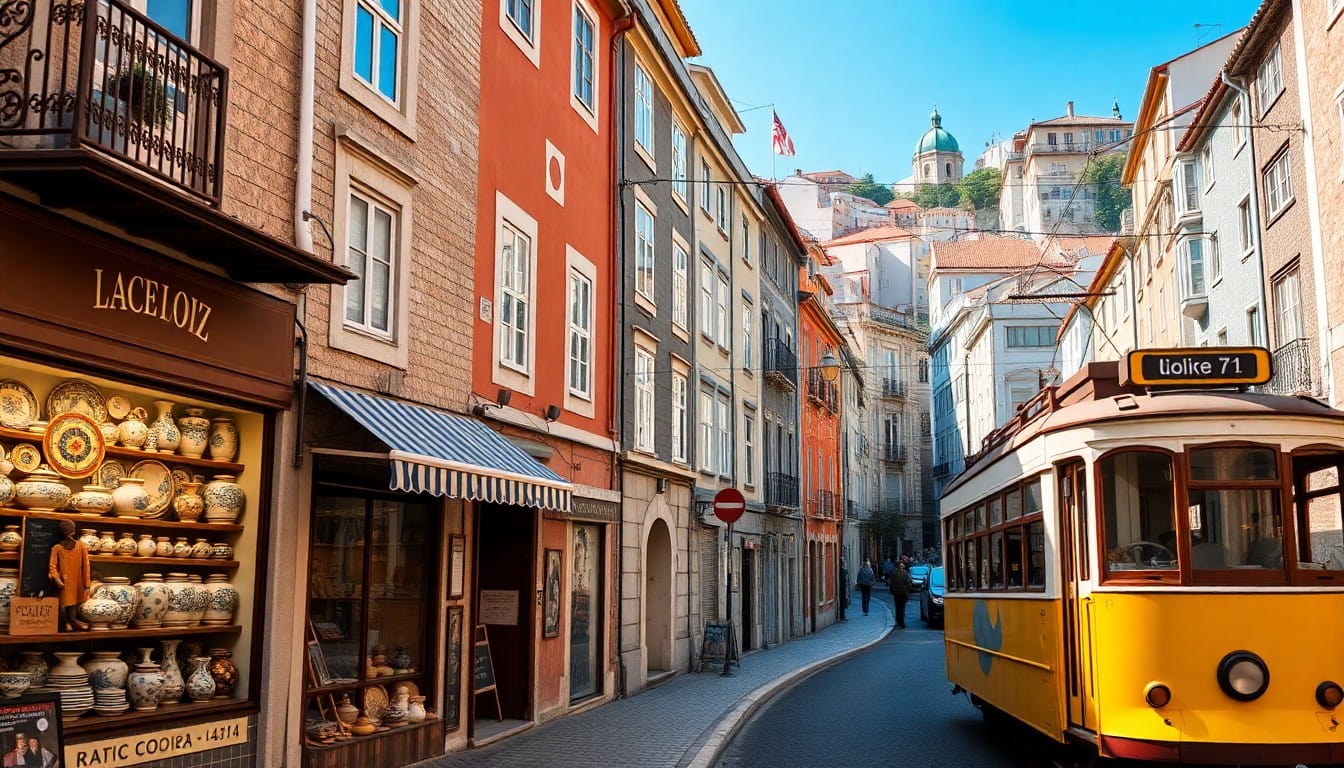
Lisbon is hills. I cannot overstate this. Every direction involves climbing or descending at angles designed to destroy your calves and your confidence simultaneously.
I was wrong, of course. The real Portugal was nothing like the one in my head. It was better, weirder, more layered. The hills of Lisbon were steeper than any photo could convey—the kind of steep where you're essentially climbing stairs disguised as streets, your calves burning after ten minutes of what the map suggested would be a casual stroll. The food was simpler than I'd expected, less elaborate than Spanish cuisine, but the simplicity was a feature: grilled sardines, salt cod in a hundred preparations, custard tarts still warm from the oven. And the light—I hadn't been prepared for the light. Something about the Atlantic exposure, the way the sun hits Lisbon from angles that Mediterranean cities don't experience, makes everything glow in the late afternoon like the city itself is producing illumination.
The ceramics tradition in Portugal is ancient and distinctive. The azulejos—those blue and white tiles that cover buildings throughout the country—are what most people think of, and rightfully so. They're everywhere: churches, train stations, restaurants, apartment buildings, public fountains. Some are centuries old, depicting biblical scenes or historical events in intricate detail. Others are modern, abstract patterns in the traditional colors. The cumulative effect is a country that wears its art on its architecture, buildings transformed into canvases.
But I was more interested in the pottery—the functional ceramics made in small studios and sold in markets and shops throughout the country. Portuguese pottery has a particular aesthetic: earthy clay bodies, glazes in blues and yellows and greens, decoration that often draws on folk traditions. The famous Barcelos roosters, painted in bright colors and sold as good luck charms. The black pottery of Bisalhães, made using techniques that date back to pre-Roman times. The hand-painted pieces from Caldas da Rainha, whimsical and sometimes slightly vulgar in a way that makes you smile.
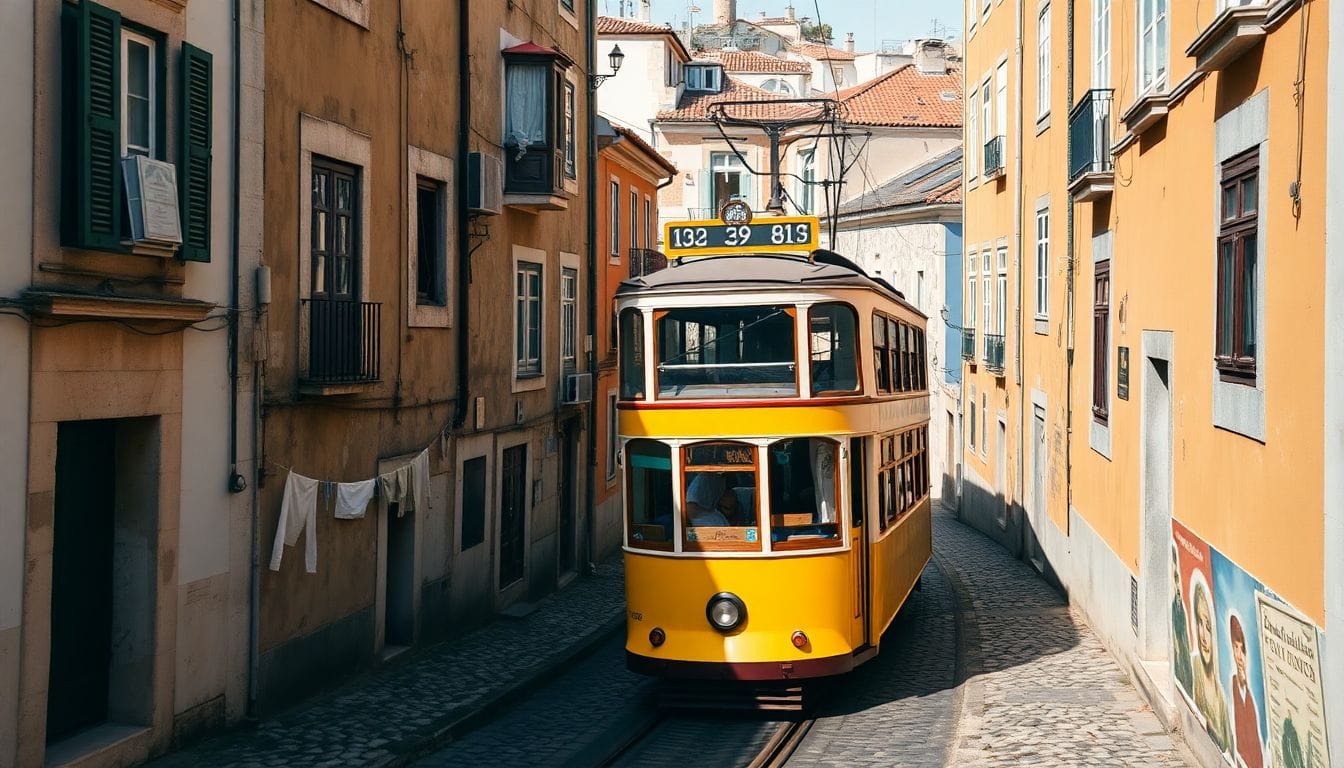
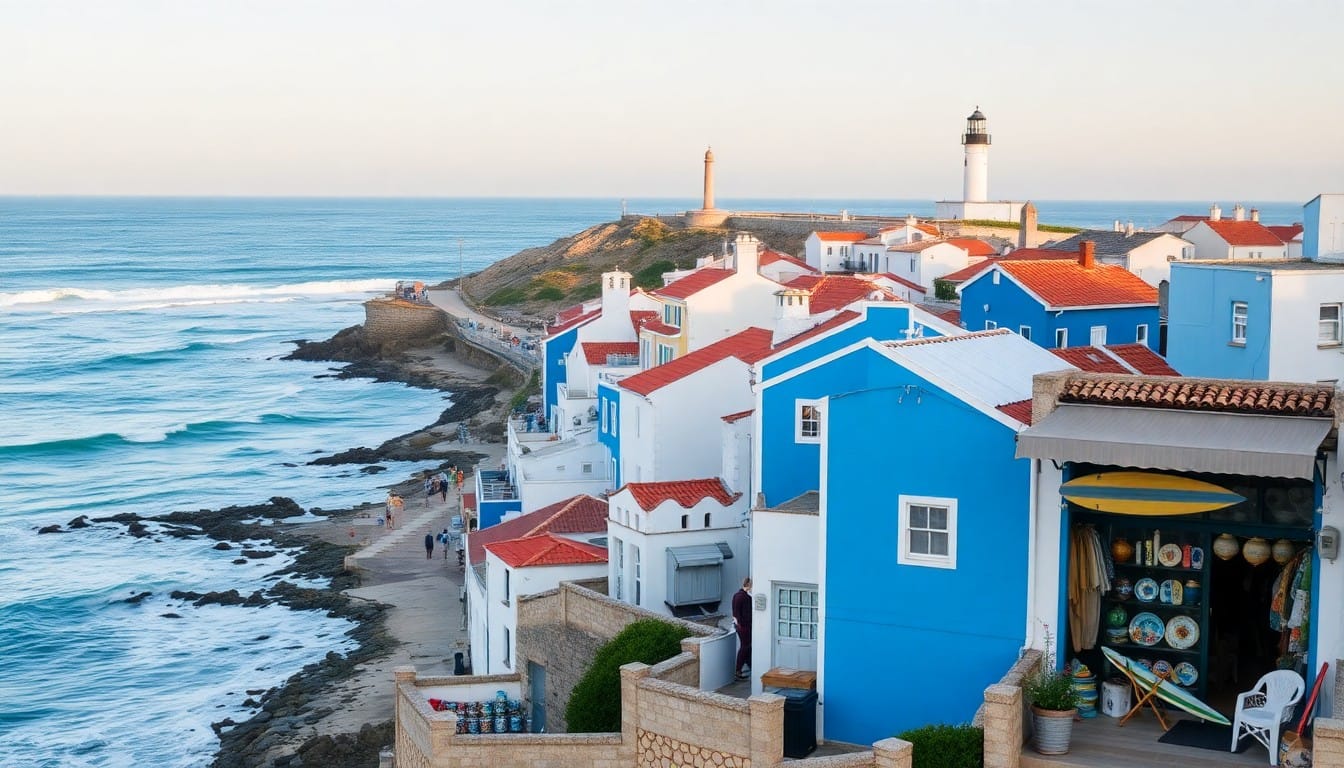
I found my pieces in Lisbon's Alfama district, the oldest neighborhood in the city, where the streets are so narrow and winding that getting lost is inevitable. The Alfama survived the earthquake of 1755 that destroyed most of Lisbon—it's built on bedrock rather than the soft soil of the lower city—and walking through it feels like stepping back centuries. Laundry hangs from windows. Fado music drifts from unseen doorways. Old women sit on stoops watching the tourists pass with expressions that suggest they've seen many generations come and go.
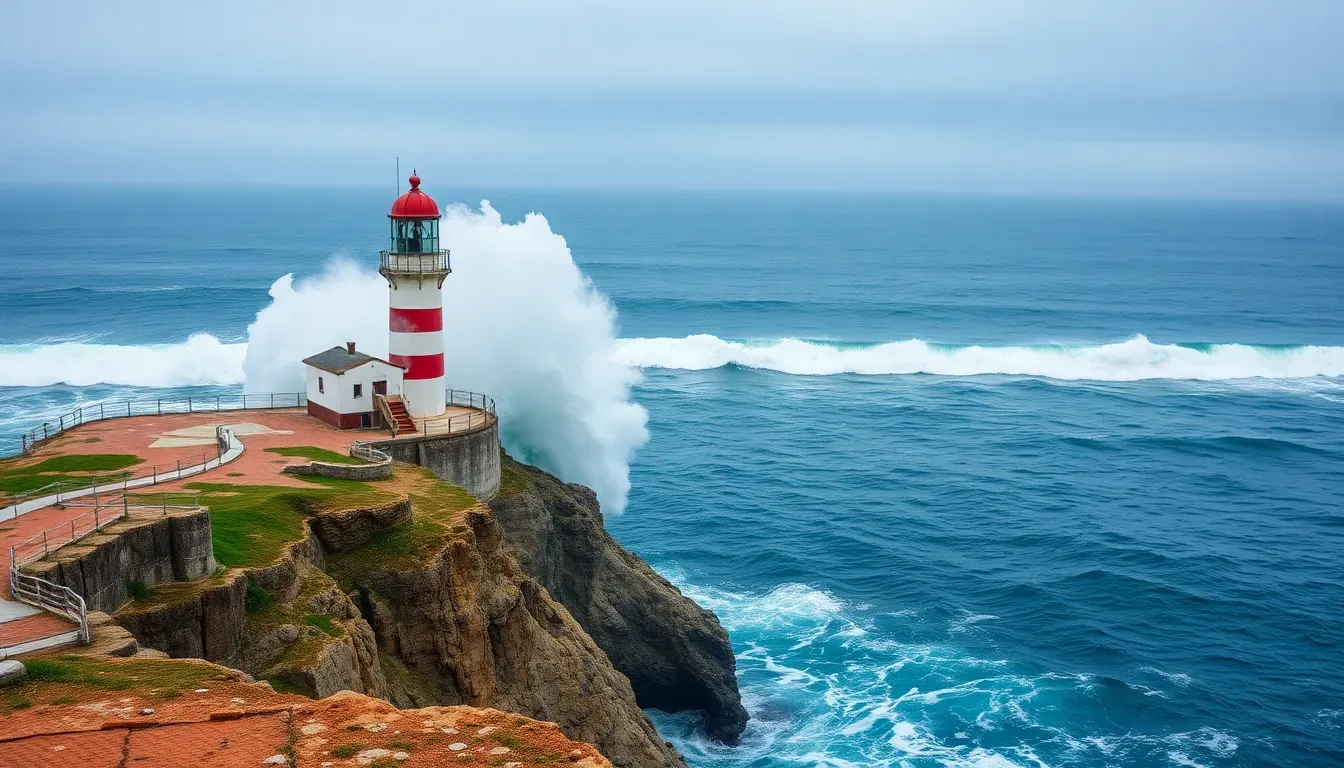
The waves at Nazaré were running thirty feet—small by local standards but bigger than anything I'd ever witnessed. Surfers looked like toys.
The shop was tiny, maybe ten feet square, crammed floor to ceiling with ceramics. The woman who ran it was Portuguese but spoke English with a British accent—she'd lived in London for years before returning home, she told me, and found she could make a living selling traditional crafts to the tourists who flooded the Alfama each day. She was frank about the economics: some pieces were genuinely handmade by Portuguese artisans, others were mass-produced and merely decorated locally. The price reflected the difference, and so did the quality if you knew what to look for.
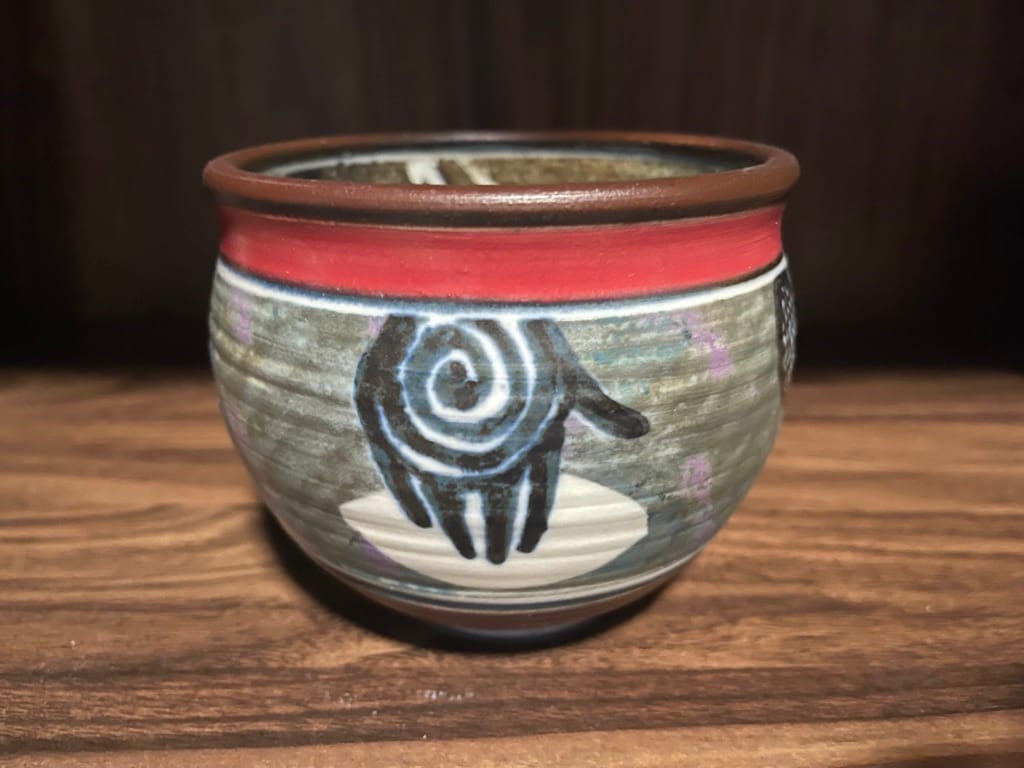
She taught me what to look for. The slight irregularities that come from hand-throwing on a wheel. The variation in glaze thickness that happens when you dip rather than spray. The small imperfections that make each piece unique. I spent an hour in that shop, learning more about Portuguese ceramics than I'd expected to, eventually buying a bowl with a blue and white floral pattern that the woman assured me was hand-painted by an artisan in Coimbra. The design was folk-art in style—stylized flowers and leaves, the kind of pattern that's been repeated for generations—but there was something personal in the brushwork, a confidence that came from years of practice.
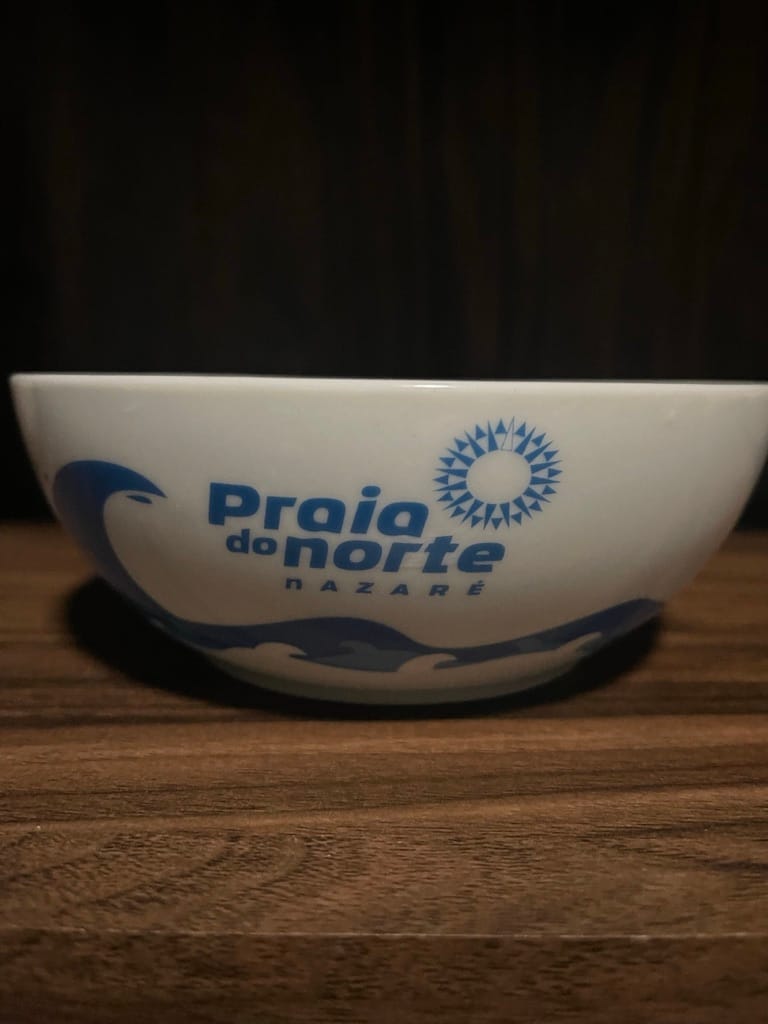
From Lisbon I took the train north to Nazaré, the surf town that's become famous for its giant waves. The waves at Nazaré are a phenomenon of geography—an underwater canyon focuses the swells into monsters that can reach a hundred feet, the kind of waves that only a handful of people in the world can ride. I wasn't there to surf—that would have been suicide—but to watch, to see the Atlantic at its most powerful, to stand on the cliff above the lighthouse and feel the spray on my face.
The town itself is modest, a fishing village that's been transformed by surf tourism but hasn't entirely lost its character. Women still sell dried fish from stalls along the beach, wearing the traditional seven skirts that layer in colors and patterns. Fishing boats are still dragged up onto the sand in the traditional way, though fewer of them now. The restaurants serve what the boats bring in, which means the freshest seafood I've eaten anywhere, simply prepared because when fish is that fresh you don't need to complicate it.
The bowl from Nazaré reminds me of watching those waves, standing at the railing, trying to understand why anyone would choose to ride something that terrifying.
I found more pottery there, in a shop run by a young couple who'd moved from the city to try a different kind of life. Their pieces were more contemporary than what I'd found in Lisbon—modern shapes with traditional glazes, the old and new combined in ways that felt genuinely innovative rather than gimmicky. I bought a small serving tray, cream white with a simple dark linear design like an arrow pointing toward something. It was minimal in a way that felt Portuguese without being traditional, rooted in the culture while looking toward something new.
The last evening in Nazaré, I watched the sunset from the cliff. The waves were big that day—not the massive ones that attract the pro surfers, but big enough to be impressive, walls of water curling and crashing with a sound like continuous thunder. The lighthouse stood against the orange sky, a silhouette that's been photographed a million times but still felt worth photographing again. I thought about all the ships that had passed this point over the centuries, the explorers who'd set out from Portugal to map the world, the fishermen who'd worked these waters for generations. Portugal is a country shaped by the sea, and nowhere is that more apparent than Nazaré, where the ocean dominates everything.
The pottery I brought home from Portugal sits together on my shelf—the traditional bowl from Lisbon, the modern tray from Nazaré. They're different in style but related in some essential way, connected by the culture that produced them. Portugal surprised me, as real places always surprise us when we finally visit them. The fado I'd imagined turned out to be just one small part of a much larger story—a story about hills and light and waves and clay, about tradition and change, about a small country at the edge of a continent that once sent ships to every corner of the earth. The ceramics are fragments of that story, physical pieces I can hold in my hands when I want to remember what it felt like to be there.