
Table of Contents
Not all my pottery comes from overseas. It's tempting to think handmade objects require exotic origins. But Americans shape clay too. We always have.
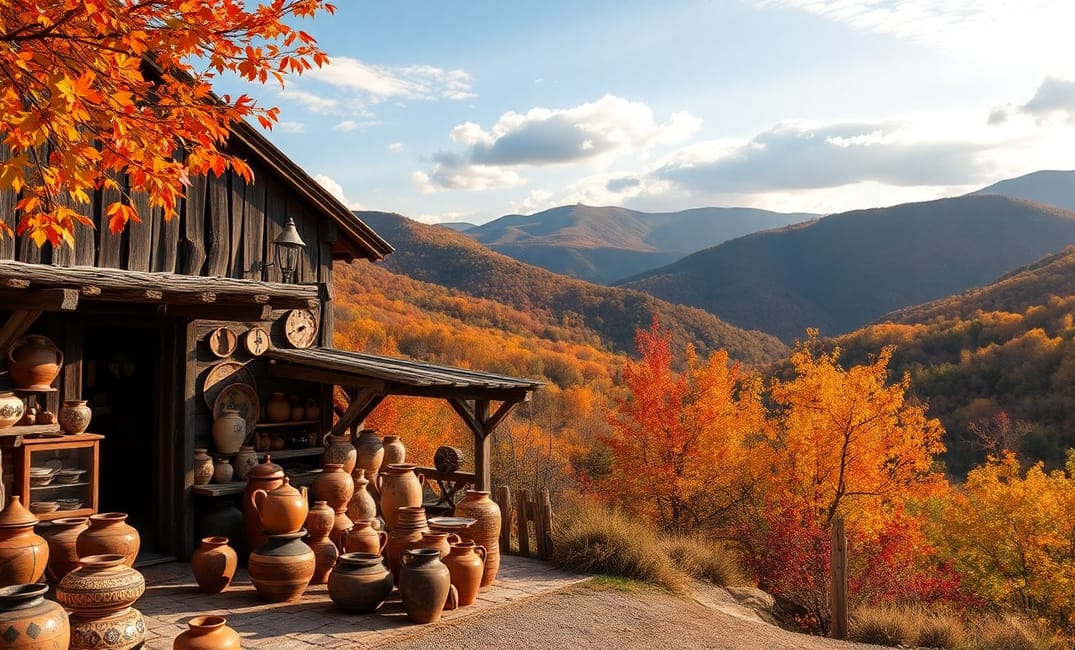
We'd taken Skyline Drive, which runs along the crest of the mountains through Shenandoah National Park. Every overlook revealed a new vista—valleys stretched out below in patchwork quilts of farmland, ridges fading into blue distance, the occasional hawk circling on thermals. We drove slowly, which usually would have made me crazy, but on that road at that time of year, slow was the only way to drive. You wanted to absorb it, to let the beauty settle into your bones. We stopped at every pull-off, took the same photo of the same view from slightly different angles, breathed air that smelled like leaf rot and wood smoke and the particular clarity of mountain elevation.
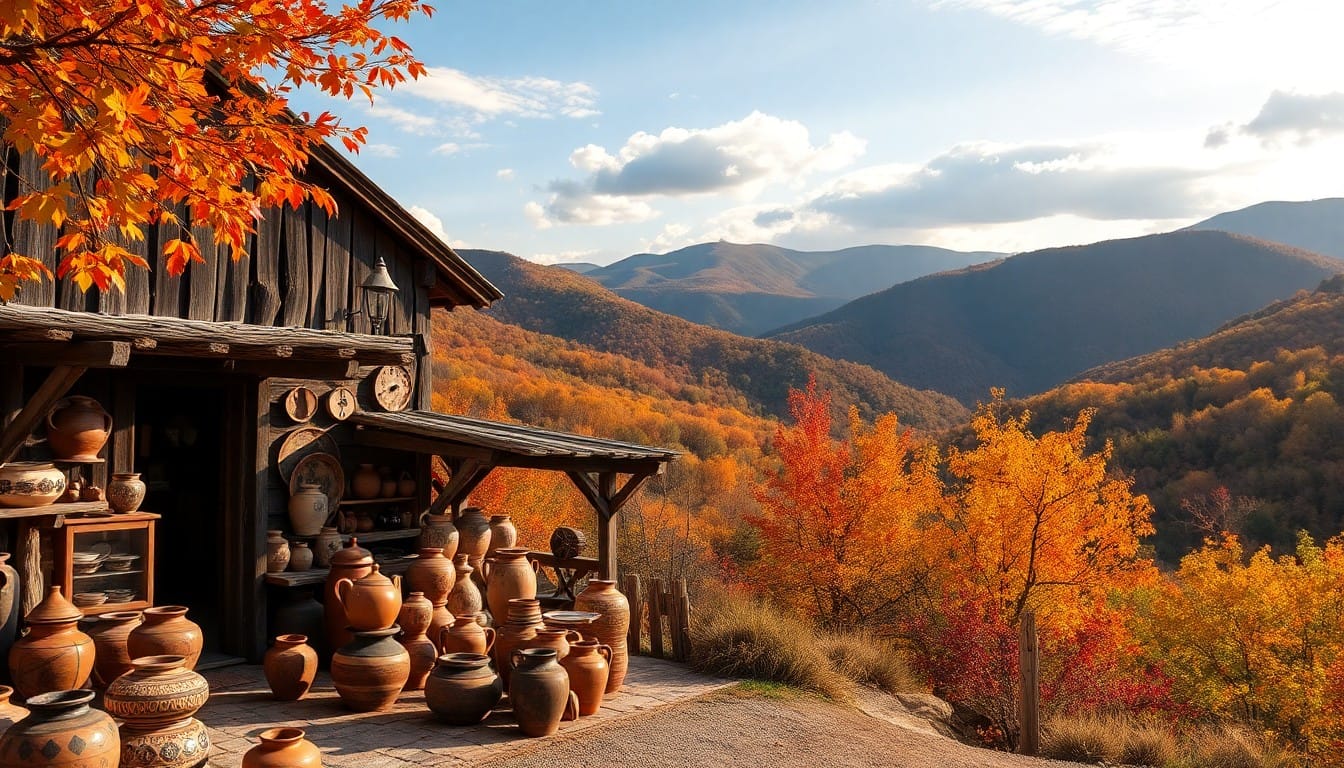
The valley itself is older than the country that claimed it. Native Americans hunted these forests for thousands of years before Europeans arrived. The Shenandoah River, which gives the valley its name, was a highway for trade and travel long before there were highways. When the settlers came—Germans and Scots-Irish mostly, tough people looking for land away from the tidewater aristocracy—they found a place that felt both abundant and forbidding, rich soil surrounded by mountains that would take generations to properly cross. The Civil War tore through here too, Stonewall Jackson's valley campaign making the names of small towns into history: Winchester, Front Royal, Harrisonburg. You can feel that history if you're paying attention, a weight in the land that predates the strip malls and gas stations that now line the main roads.
We stopped for lunch in a town whose name I've since forgotten—one of those places with a main street that hasn't changed much since the 1950s, brick buildings housing hardware stores and diners and antique shops. The diner had vinyl booths and a counter with spinning stools, the kind of place where the waitress calls you honey and the coffee comes in ceramic mugs that have seen better days.
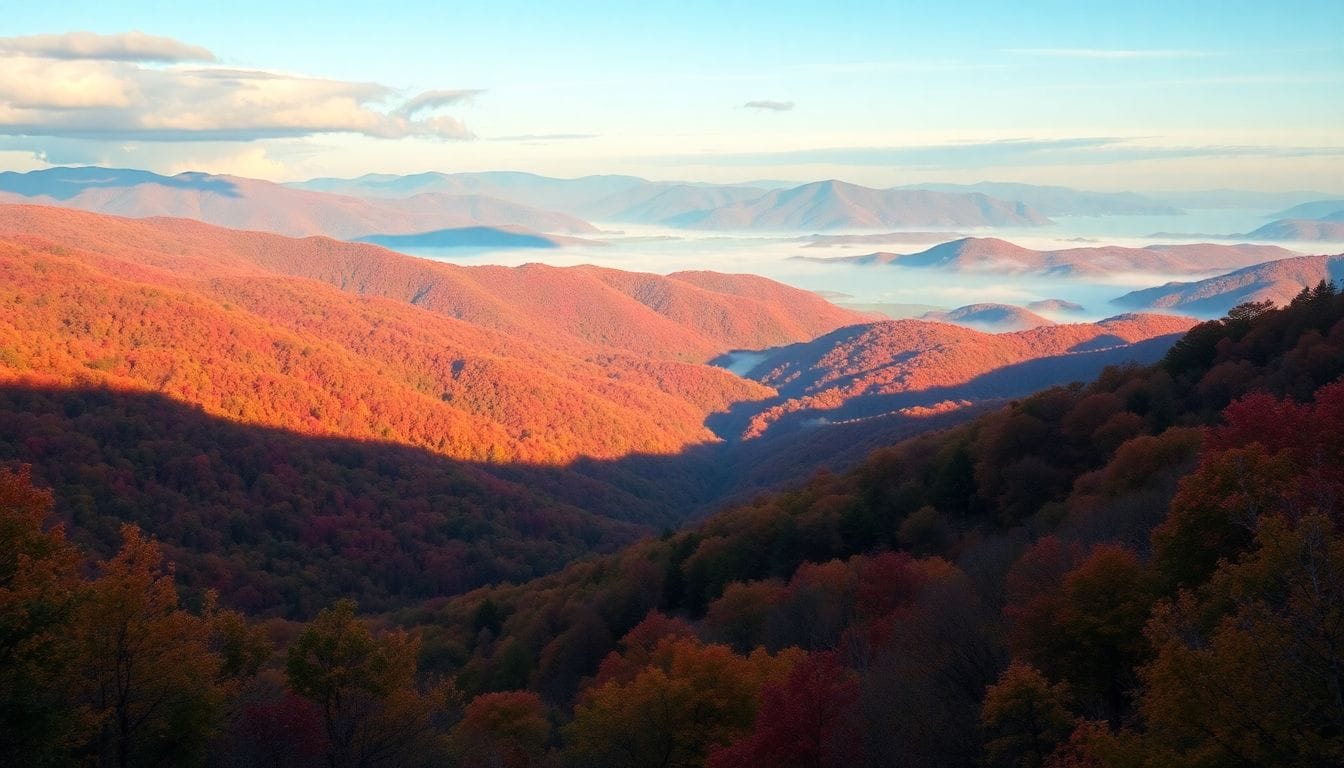
The craft fair was happening in the parking lot of a church at the edge of town. We almost drove past it—just a few pop-up tents and folding tables—but my mother saw a sign and insisted we stop. She has a sixth sense for finding things worth stopping for, a talent I've inherited imperfectly at best. The vendors were mostly local artisans: a woman selling crocheted blankets, a man with birdhouses made from reclaimed barn wood, a young couple offering homemade preserves and honey. The whole thing had the slightly chaotic energy of community events, people greeting neighbors, children running between the tables, the smell of cider and baked goods drifting from somewhere.
The woman at the ceramics table had been making pots for forty years. Learned from her mother, who learned from her mother, who learned from her mother.
The pottery stall was at the end of a row, partially hidden behind a woman selling dried flower arrangements. An older man sat on a folding chair, watching the crowd with the patient disinterest of someone who's been to many craft fairs and knows they mostly amount to a day of sitting. His table held maybe thirty pieces—bowls and cups and small vases—each one distinct but clearly from the same hand. The glazes tended toward earth tones: warm browns and greens, the occasional splash of deep blue, colors that seemed to belong to the mountains around us.
American folk pottery has its own tradition, different from European pieces but just as considered. The utilitarian stoneware of the rural South, the salt-glazed crocks of Pennsylvania Dutch country, the Native American traditions that predate European contact by millennia—all of it feeding into a distinctly American approach to clay. The man at this table was working in that tradition, making things that were meant to be used but made with enough care that they transcended mere function. His bowls had the kind of subtle asymmetry that comes from throwing by hand, each one slightly different from its neighbors, unique in ways a factory could never replicate.
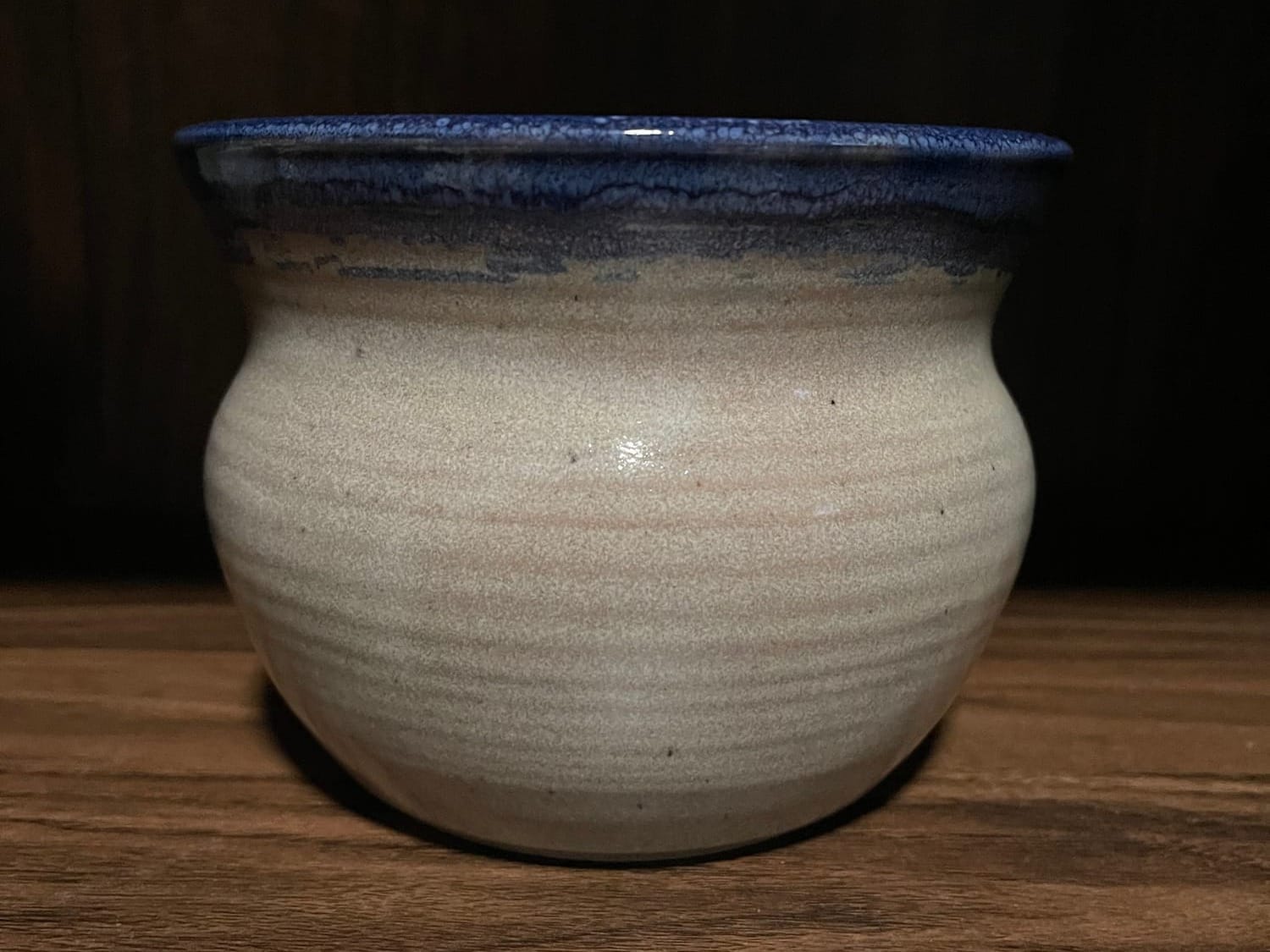
The bowl I chose was about eight inches across, shallow enough to use for serving but deep enough to be practical. The clay body was a grayish-green, the color of lichen on stone, with a subtle texture that invited touch. A blue rim circled the edge, a simple detail that elevated the whole piece, the contrast between colors drawing the eye upward. The inside had the slight spiral marks of the wheel, the trace of the potter's fingers left visible rather than smoothed away. When I picked it up, it fit in my hands like it had been made for them.
The potter told me about his work while I examined the bowl. He'd been making pottery for thirty years, he said, starting in college and never stopping. His studio was at his home, a converted barn where he fired his kiln maybe twice a month. The glazes were mixed himself from recipes he'd developed over decades, adjusting proportions based on the clay body, the humidity, the temperature of the kiln. It was the kind of meticulous craft that most people have no patience for anymore, the kind of slow, iterative expertise that produces objects worth keeping.
America makes things too. We always have. Sometimes I need to be reminded of that—to look in my own backyard before searching the world.
I bought the bowl for my parents' house initially—a gift from a trip we'd taken together, something to remember that day by. But when I moved into my own apartment years later, my mother gave it back to me. "You're the collector," she said, which was true enough by then. The bowl moved with me from that apartment to the next, and the next, a constant in a life that was otherwise full of change. It's been used for everything over the years—keys, fruit, pasta, the random detritus that accumulates on kitchen counters—and it shows its wear now, the glaze slightly worn where hands have held it countless times.
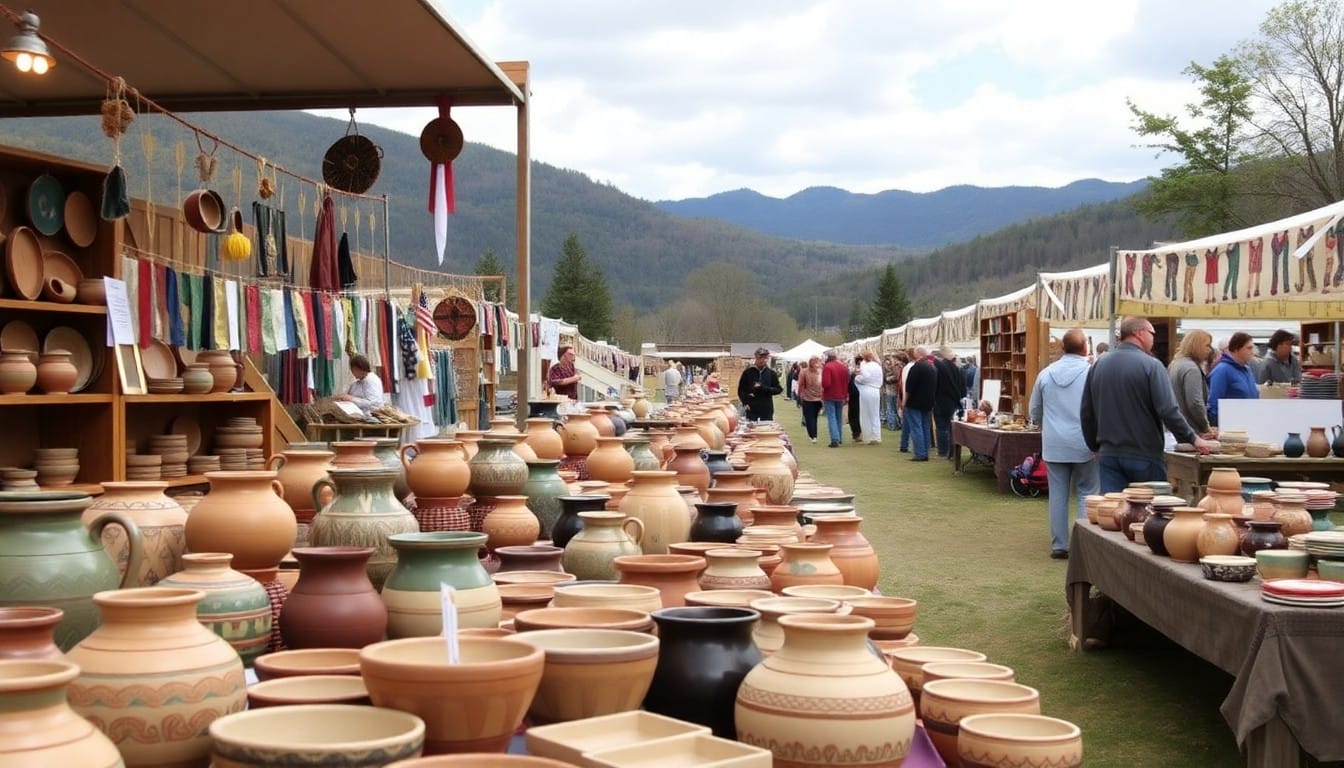
There's something different about collecting pottery from your own country. The pieces I've brought back from Morocco and Spain and Bali carry the exoticism of distance, the romance of foreign places. But this bowl is American in a way that feels both simpler and more complex—connected to a landscape I've known my whole life, to a tradition of craft that's as much mine as the land itself. The Shenandoah Valley isn't exotic to me; it's the kind of place my ancestors might have settled, the kind of beauty I grew up taking for granted. Finding art there felt like finding something that had been waiting for me to notice it.
The trips we used to take—those aimless weekend drives that were really just excuses to spend time together—don't happen anymore. When I use the bowl now, I think about that day in the valley, the leaves at their peak, driving slower than we needed to because we were trying to make the day last. The bowl holds all of that—the mountains and the colors and the time we had together. It's American folk pottery, yes, but it's also a record of a life, a family, a day in autumn when everything was beautiful and nothing hurt. That's what objects do if you let them. They hold the moments you can't otherwise keep.