
Table of Contents
They don't ease you into Israel on Birthright. You land after a ten-hour flight, clear customs with eyes that won't focus, and get on a bus. There's no hotel room waiting. No afternoon to sleep off the jet lag.
I was in my early twenties, still in law school, and Israel was something I'd always meant to visit but never prioritized. The Birthright trip was free—funded by philanthropists who believe every young Jew should see the homeland—and I figured I'd be a fool to pass it up. I didn't know what to expect. The Israel I'd grown up hearing about in Hebrew school felt abstract, a concept more than a country. The Israel of the news was complicated in ways I wasn't equipped to navigate. The Israel I found when I stepped off that bus was both and neither, a place too real and too layered to fit any preconception.
We went everywhere: Jerusalem, Tel Aviv, Haifa in the north, the Dead Sea to float in, Masada at sunrise for the climb to the ancient fortress. The itinerary was relentless, designed to pack maximum Israel into ten days. I took a thousand photos and remembered maybe half of what I saw. But certain moments burned themselves into memory with a clarity that the years haven't dimmed.
I met IDF soldiers who became temporary friends, the kind you're close to for a week and then never see again. They joined our tour group as part of the program—young people our own age who happened to be serving mandatory military duty in a country surrounded by enemies. We talked late into the night on bus rides between cities, compared our lives in ways that revealed how different our worlds really were. They seemed both older and younger than us somehow: older because they'd held rifles and stood guard at borders, younger because they still lived with their parents and worried about university exams. The friendships were intense and brief, the kind that form when you share something extraordinary with strangers.
We had shawarma that ruined me for any shawarma I'd have afterward. I know that sounds like typical travel hyperbole, but I mean it literally. There's a place in Tel Aviv—I couldn't find it again if I tried, it was late and we were wandering—where they carved the meat from the spit in front of you and piled it into pita that was still warm from the oven. The pita was different there—softer, warmer, like it had just been pulled from a stone oven moments before. The whole thing was wrapped in paper and you stood on the street eating it while the Mediterranean breeze came off the water and the city hummed with Friday night energy. Every shawarma I've had since tastes like a pale imitation of that moment.
The country exists in a state of permanent tension that becomes, somehow, normal. Armed soldiers at bus stops. Security checks before entering malls.
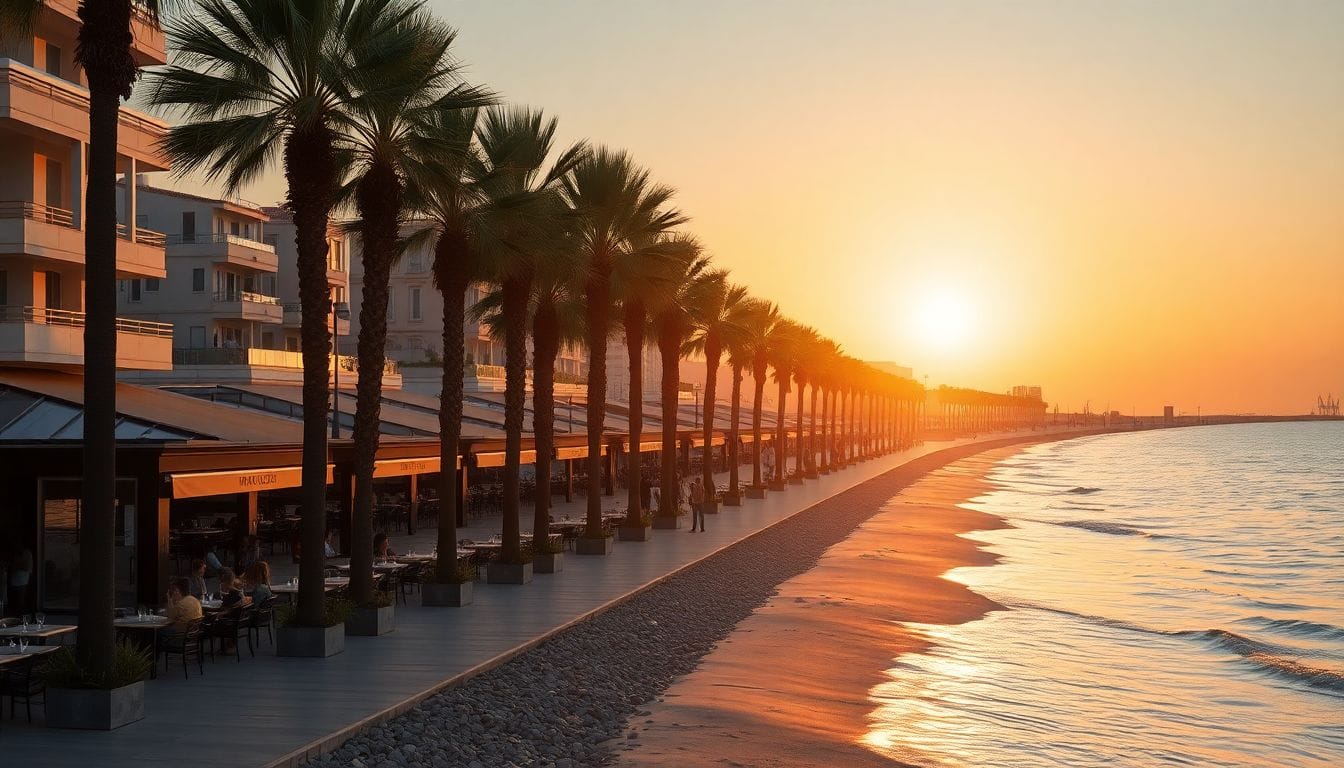
Tel Aviv surprised me the most. I'd expected religiosity, intensity, the weight of ancient history everywhere. And Jerusalem delivered on that—you can't walk through the Old City without feeling the accumulated centuries pressing down on you. But Tel Aviv was something else entirely: secular, hedonistic, a Mediterranean beach city that happened to speak Hebrew. The bars stayed open late. The beaches filled with beautiful people. The food scene rivaled any city I'd visited. It felt less like visiting a holy land and more like visiting Barcelona's cooler cousin.
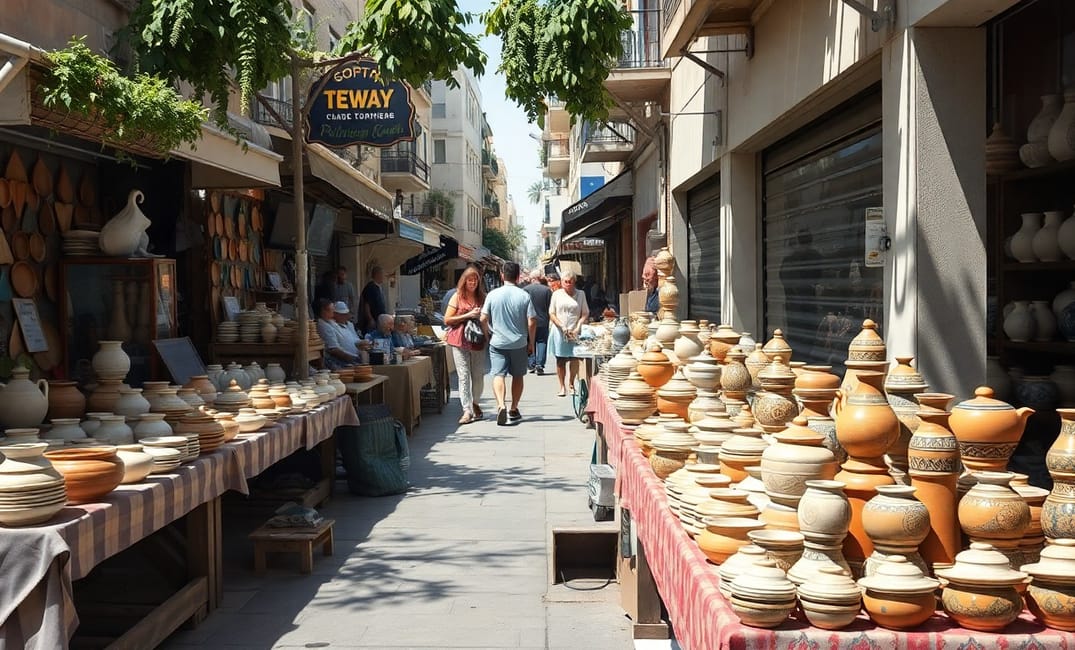
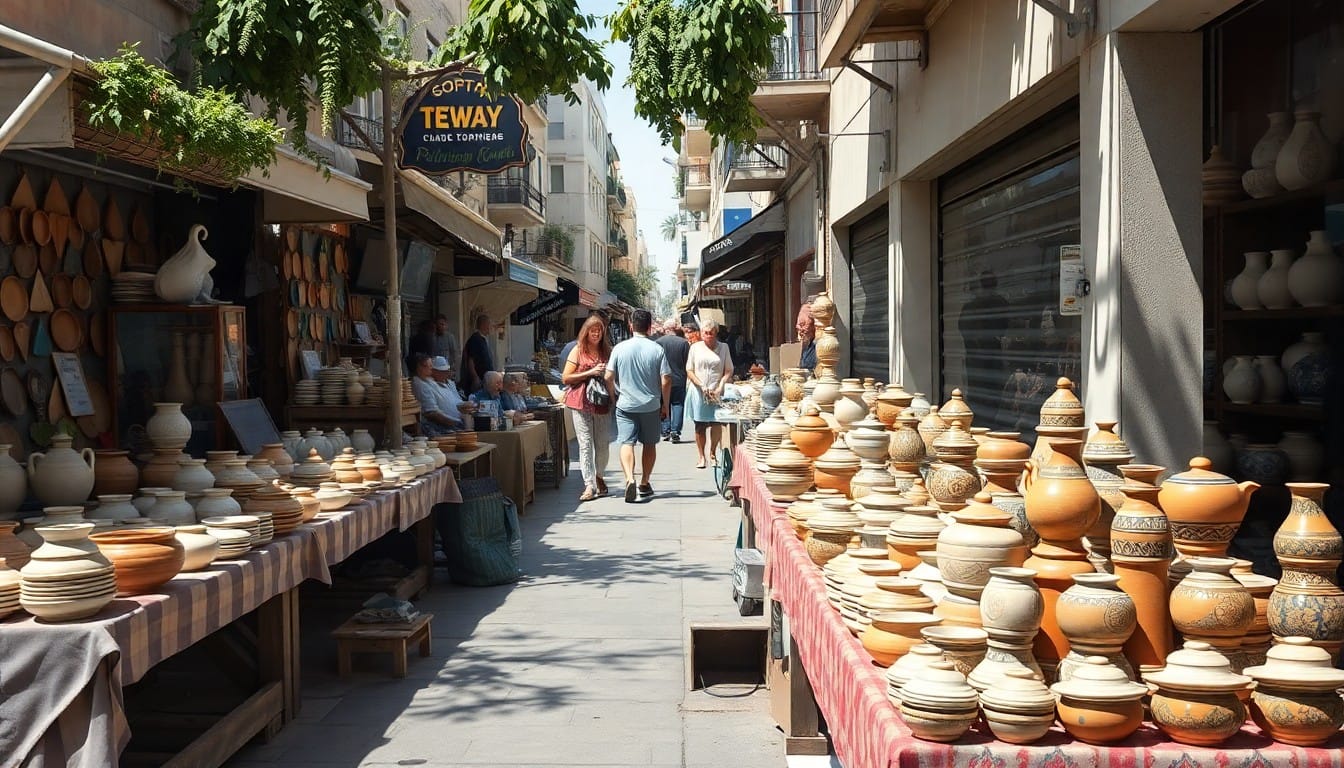
I found the ceramics at a street fair in Tel Aviv, the kind of market where artists set up folding tables and hope tourists stop. It was Saturday afternoon, Shabbat technically over, and the city was waking back up after the day of rest. The vendors were mostly young Israelis selling handmade goods—jewelry, leather goods, ceramics, textiles. The vibe was relaxed in a way that the rest of the trip hadn't been, everyone milling around without the urgency of the tour bus schedule.
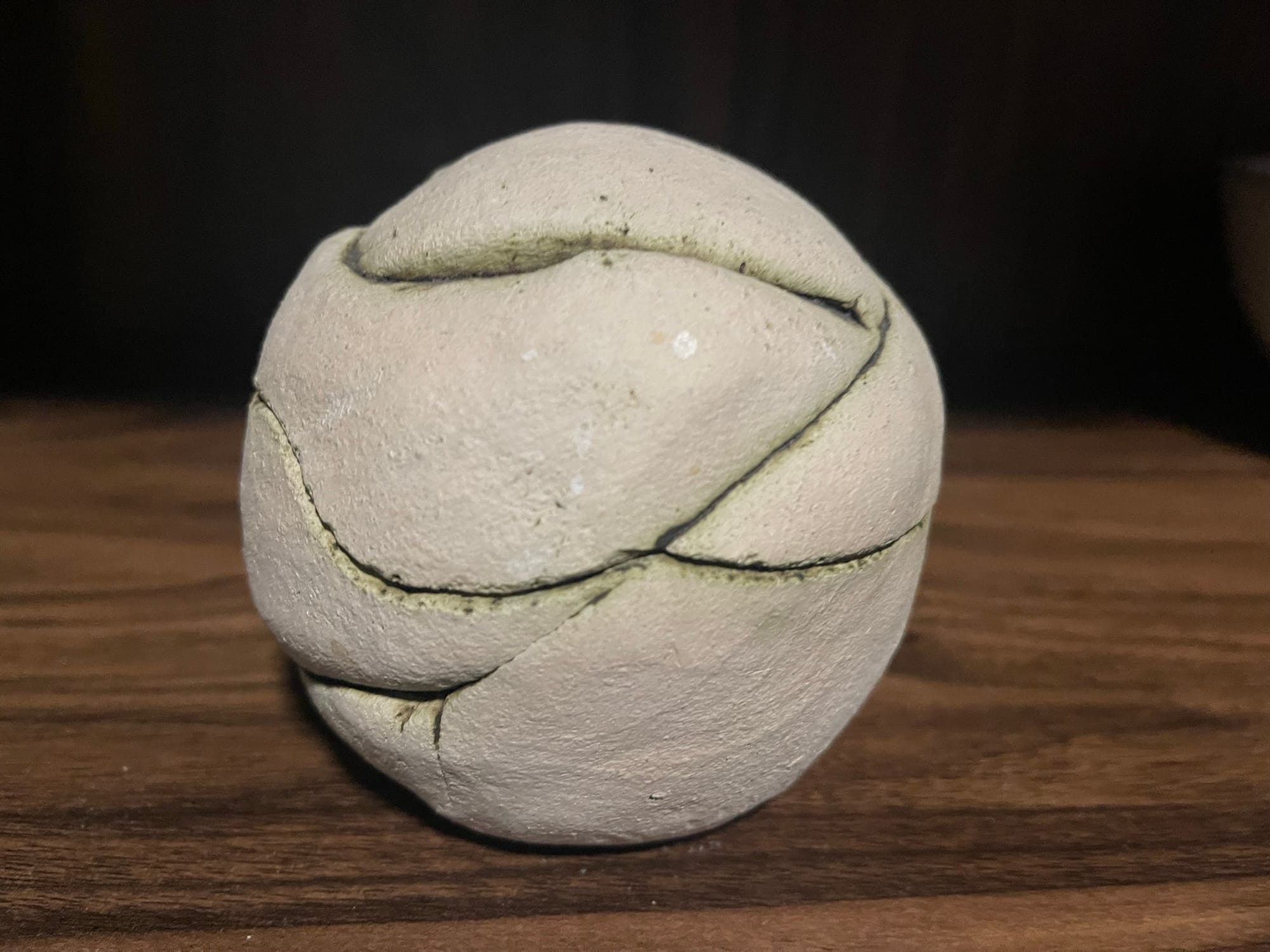
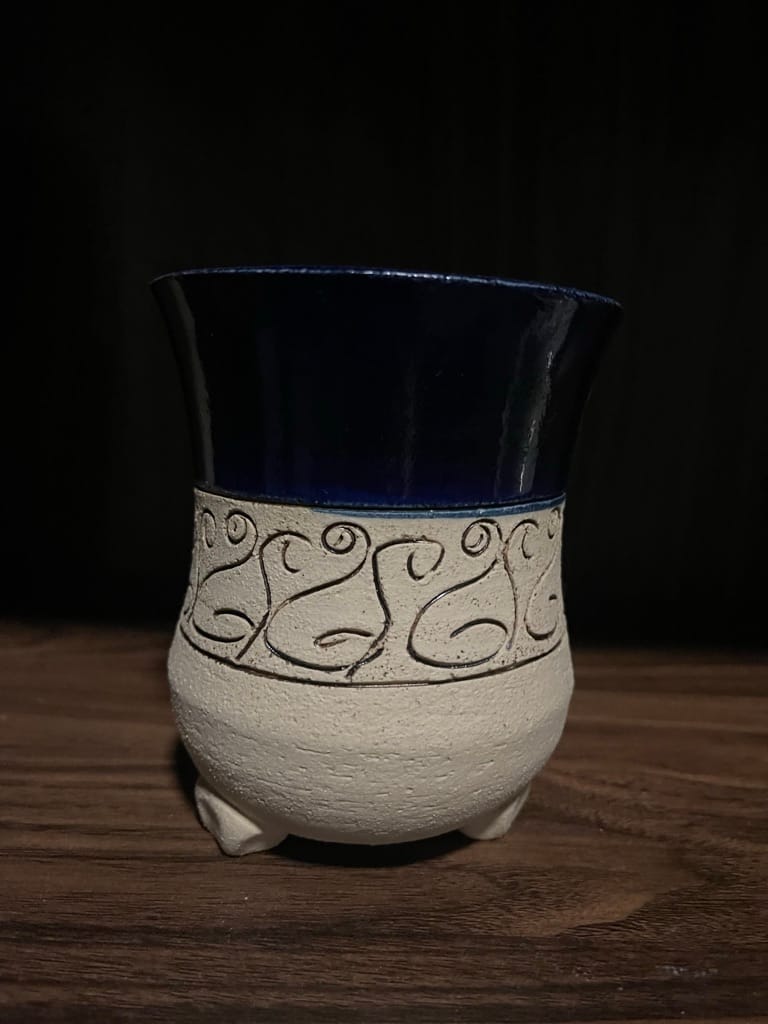
The woman at the ceramics table was maybe thirty, with paint under her fingernails and the kind of easy confidence that comes from knowing your craft. She'd made everything on the table herself, she told me, firing pieces in a small studio she shared with other artists. Her kids ran around between the stalls, occasionally bringing her things they'd found—a feather, a smooth stone, a piece of sea glass—which she'd examine seriously before sending them off to find more. I bought a small cup with a glossy blue interior and a rough white exterior, the contrast between the two surfaces creating a tactile pleasure that made me want to keep touching it.
The Jerusalem piece came from a different context entirely. We'd spent the morning at Yad Vashem, the Holocaust memorial, which is the kind of experience that makes normal conversation impossible afterward. The museum takes you through the narrative of the Holocaust chronologically, from the rise of Nazism to the liberation of the camps, and by the end you're wrung out, empty, unable to process any more horror. But then you emerge from the final room onto an overlook where you can see the whole city of Jerusalem spread out below, the Western Wall in the distance, and the juxtaposition—the systematic destruction of European Jewry followed by this view of the Jewish homeland—is overwhelming in a different way.
That afternoon, our guide took us to some kind of pottery fair, and I was still processing what I'd seen. The artist there was a woman who shaped her pieces herself, working with local clay and firing in traditional kilns. She explained how she mixed her glazes from minerals found in the region, how the particular quality of Jerusalem's light influenced her color choices. I nodded along, not really absorbing the information, but something about her work reached through my emotional numbness. I remember the sunlight that day, the dry heat, the sense of being in a place that holds more history than any single person can comprehend.
Every piece in my collection has a story, but this one has a context that refuses to simplify.
I bought a small bowl from her, glazed in earth tones that reminded me of the desert we'd crossed to get there. She wrapped it carefully in newspaper while I stood in the sun trying to reassemble myself into a functional person. The bowl felt like a talisman, a physical object to anchor the experience so it wouldn't float away into abstraction. This happened, the bowl says. You were there. You saw those things. You felt what you felt.
Those ceramics have traveled with me since. I gave some to family members who don't really use them but finally put them out years later. My grandmother received the Tel Aviv cup, and it sat in her cabinet for a decade before she started using it for her afternoon tea. My mother got a small plate that now holds her rings when she takes them off at night. They're memories from a trip that felt, in the way these trips do when you're young, life-changing.
Was it life-changing? I'm not sure anymore. The friends I made have faded—the IDF soldiers, the other Birthright participants—but the cups remain. The complicated feelings I had about Israel haven't resolved into clarity; if anything, the years have made them more complicated. I think about the Palestinians I didn't meet, the perspectives the trip carefully avoided, the narratives that were constructed for us. I think about the undeniable pull of Jerusalem, the way standing at the Western Wall with thousands of years of Jewish prayer embedded in the stones made me feel something I can't easily name.
The ceramics hold all of this without resolving any of it. That's what they're for, in the end—not to provide answers but to ask questions, to remind me that I was young once and overwhelmed and trying to make sense of a place that doesn't fully make sense to anyone. They're beautiful objects made by artists working in traditions both ancient and modern, in a country that's both ancient and modern, in a world that resists simple stories. I pick them up sometimes, feel their weight, run my fingers over the glazes, and I'm back there—jet-lagged, overstimulated, tasting shawarma on a Tel Aviv street, watching the sun set over Jerusalem, wondering what it all means. Still wondering.