


Table of Contents
The Madrileños will be the first to tell you they're different from the Catalans. Ask anyone in Madrid about Barcelona and you'll get an earful—about artificial beaches, overrated art scenes, tourists who've ruined everything.
The hostel I'd booked was in La Latina, a neighborhood I'd chosen because it was cheap and central without knowing it was also the heart of Madrid's nightlife. On weekends the streets filled with people doing what Madrileños do best: eating, drinking, talking, staying out until the sun came up. The first night I went to bed at midnight thinking I was being reasonable; by two in the morning I understood my mistake, as the noise from the street suggested the evening was just getting started. I gave up on sleep and joined them.
Spanish culture runs on a schedule that makes no sense to Americans. Lunch at two or three in the afternoon, the biggest meal of the day, multi-course affairs that stretch over hours. Dinner at ten or eleven at night, if you bother with it at all. The time between is for siesta or coffee or wandering or talking—time that isn't assigned to any particular purpose, that just exists for being. The bars serve food at all hours, small plates of olives and jamón and croquetas, enough to sustain you between the real meals. You eat standing at the bar, elbow to elbow with strangers who become temporary friends, conversations erupting and fading as people come and go.
The tortilla española I had that first evening ruined me for every tortilla I'd have afterward. It was in a small bar near my hostel, the kind of place with paper napkins stuffed in dispensers and a television showing football that nobody was watching. The tortilla was still warm from the pan, served on a small plate with a fork and nothing else. Eggs and potatoes and onion, cooked slowly until the interior was barely set, still almost liquid at the center. Simple ingredients transformed by technique into something that shouldn't have been as good as it was. I ordered a second portion immediately.

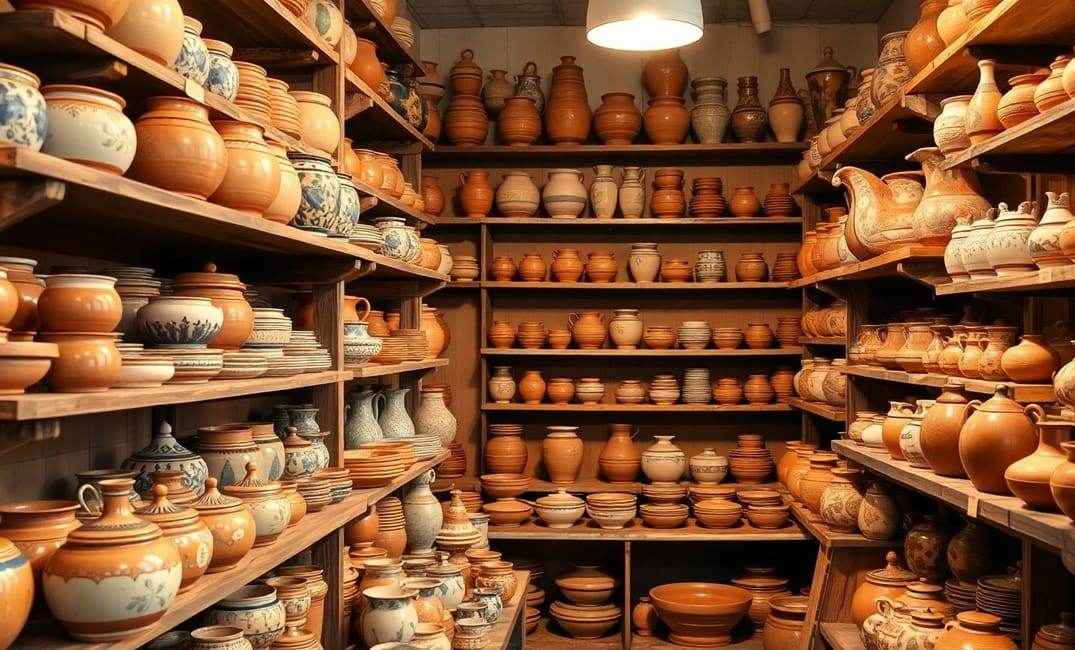
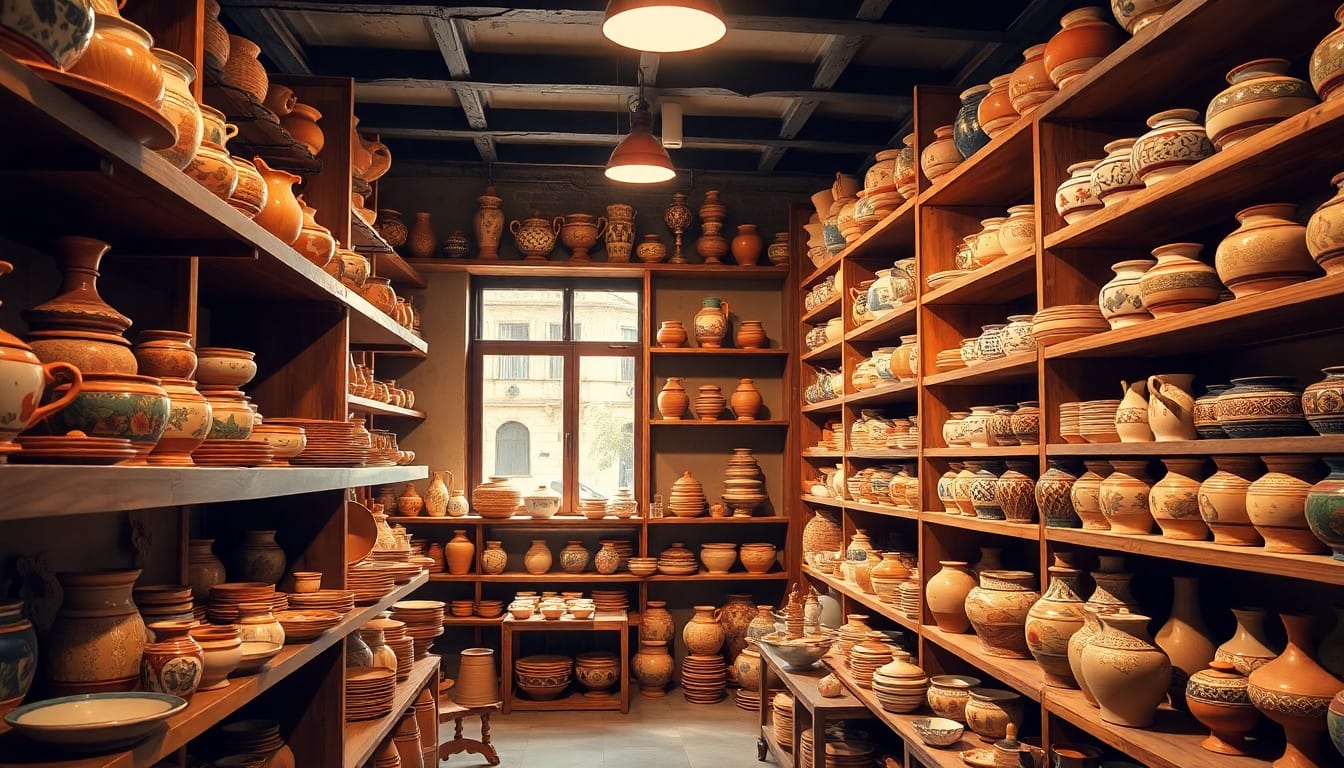
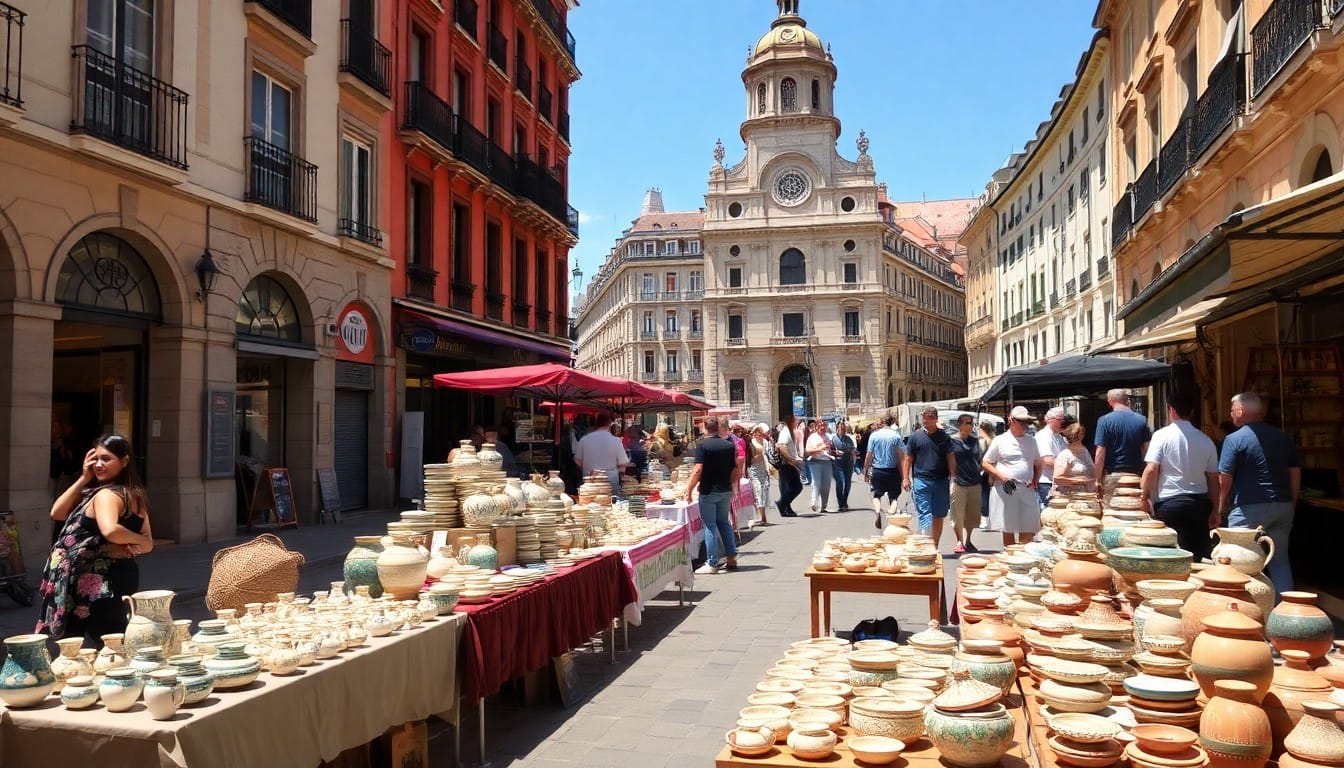
I found the coffee cups in a ceramics shop near the Rastro, Madrid's famous flea market. I'd gone to the market for the experience—thousands of vendors selling everything from antiques to counterfeits to things that couldn't be legally described—and emerged hours later with nothing but a headache from the crowds and a desire for quieter browsing. The shop was on a side street, away from the chaos, a small space packed with pottery from across Spain. The shopkeeper was an older woman who'd been selling ceramics from this location for thirty years, she told me, long enough to watch the neighborhood change around her.
Madrid is a city that stays up later than anywhere I've been. Dinner at 10 PM is early. Bars don't get interesting until midnight.
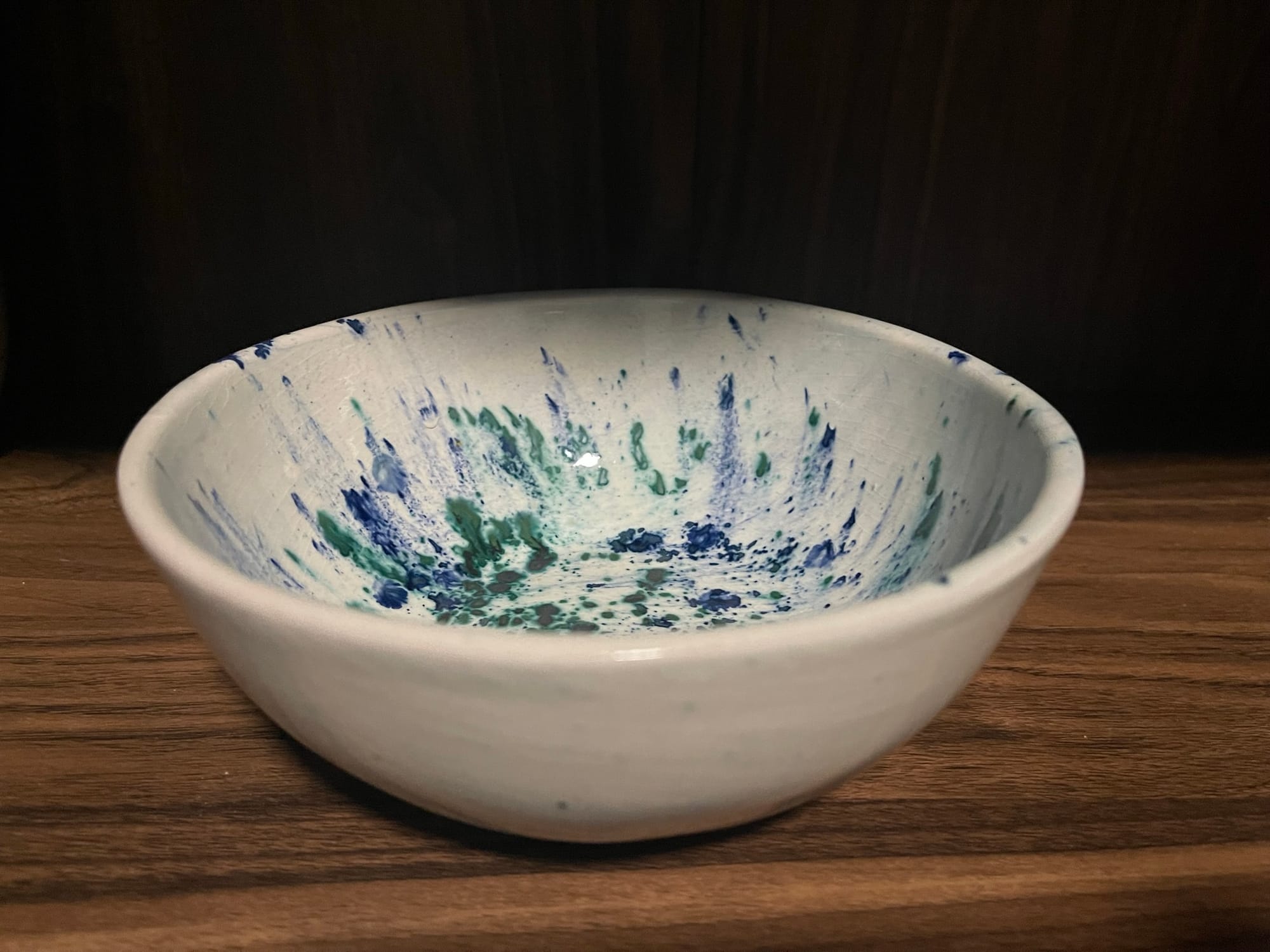
The cups were made of terracotta, glazed in a warm brown that reminded me of the Castilian earth I'd seen from the train window. They were simple, functional, the kind of cups you'd actually use rather than display. The handles were slightly too small for my fingers, shaped for smaller hands, which gave them a foreignness that I liked. They came as a set of two, meant for coffee or perhaps a cortado, that small strong dose of espresso with just a touch of milk that Spain does better than anywhere else.
The shopkeeper told me about the tradition. Spanish pottery varies enormously by region—the tin-glazed majolica of Talavera, the lustrous ceramics of Valencia, the simple terracotta of La Mancha. These cups came from somewhere in the center, she thought, though she wasn't entirely sure; they'd been in the shop since before she took over, remnants of an older inventory. She wrapped them in newspaper with the care of someone who respected craft even when she didn't know its full story.
Madrid's museums deserve more time than I gave them. The Prado alone could consume days—room after room of Velázquez and Goya and El Greco, the collected masterpieces of Spain's imperial centuries. The Reina Sofía with Picasso's Guernica, that massive howl of anguish that stops everyone who stands before it. The Thyssen-Bornemisza with its personal collection that somehow spans all of Western art. I rushed through all of them, trying to see too much in too little time, the curse of the weekend tourist.
But certain images burned themselves into memory anyway. Las Meninas, Velázquez's masterpiece of perspective and meta-commentary, the painter painting himself painting the viewer. Goya's Black Paintings, those nightmarish visions from the end of his life, Saturn devouring his son with eyes that seemed to follow you across the gallery. Guernica in its enormous grief, the bodies twisted and the horse screaming and the light bulb glaring down on all that suffering. Spanish art, I realized, doesn't flinch from darkness; it holds the pain up for examination, transfigures it into something that outlasts the moment.
The Sunday morning before I left, I sat in a plaza drinking coffee from cups that were probably mass-produced but reminded me of the ones I'd bought. The sun was already warm, the city slowly waking from its Saturday night excess, church bells ringing somewhere in the distance. Families walked past on their way to Mass. Old men sat on benches reading newspapers. A child chased pigeons with the determined focus that only children can sustain. Madrid felt, in that moment, like a city that knew exactly what it was, that wasn't trying to be anything other than itself.
The terracotta cups I found fit in my palm like they were made for it—warm, earthy, unpretentious in a way that felt very Madrid.
The terracotta cups have traveled with me since, through every apartment and life change. I use them for coffee now, as they were meant to be used, their small size forcing me to drink cortados instead of the giant American mugs I'd grown up with. The brown glaze has developed a patina over years of use, slight variations in color where the coffee has stained and been wiped away. They're practical objects, not precious ones, and I think that's why they've lasted—because I actually use them rather than protecting them, because they've become part of my daily life rather than relics on a shelf.
Madrid taught me that weekend, among other things, that beauty lives in the useful and the everyday. The tortilla that looked like nothing but tasted like everything. The cups that were humble but held centuries of tradition. The rhythm of a city that refuses to hurry, that understands meals are for lingering and nights are for living. The cups remind me every morning of that lesson—not the grand museums or famous monuments, but the small pleasures that make a place feel like home even when you're just passing through.
The Retiro Park became my refuge that weekend, a green oasis in the center of the city where Madrileños came to escape the urban intensity. I rented a rowboat on the artificial lake, navigating clumsily among the other rowers, watching couples and families and groups of friends enjoying the same simple pleasure. The Crystal Palace stood at the edge of the park, all glass and iron, originally built to display tropical plants and now hosting art installations. Madrid keeps finding new uses for its old structures, adapting without erasing.
On the train back to Barcelona, I thought about the differences between the two cities. Madrid felt more Spanish somehow, more connected to the country's center of gravity, while Barcelona seemed to lean toward the Mediterranean, toward Europe, away from the traditions it shared with the capital. The cups in my bag were from Madrid, but I was returning to Barcelona. I held both cities now, or pieces of them, objects that would remind me of each. That's the collector's impulse, I suppose—to carry fragments of places with you, to build a geography of possessions that maps the places you've been.