
Table of Contents
I made these pieces myself, which still surprises me when I look at them. The wobbles in the walls. The places where my hands pressed too hard. The glazes that didn't turn out quite right. I love them more for those flaws.
The city revealed itself slowly, over weeks rather than days. There's the famous Barcelona—the Sagrada Familia, the Ramblas, the Gaudí houses—and then there's the real one, the Barcelona that locals inhabit when the tourists are elsewhere. I spent my first weeks being a tourist, hitting the obligatory sights, standing in lines, taking the same photos everyone takes. But as the weeks passed, my explorations became smaller, more focused. The cafe on the corner that made the best cortado. The bakery that sold ensaïmadas still warm from the oven. The hidden square that filled with neighbors every evening, children playing while their parents drank wine.
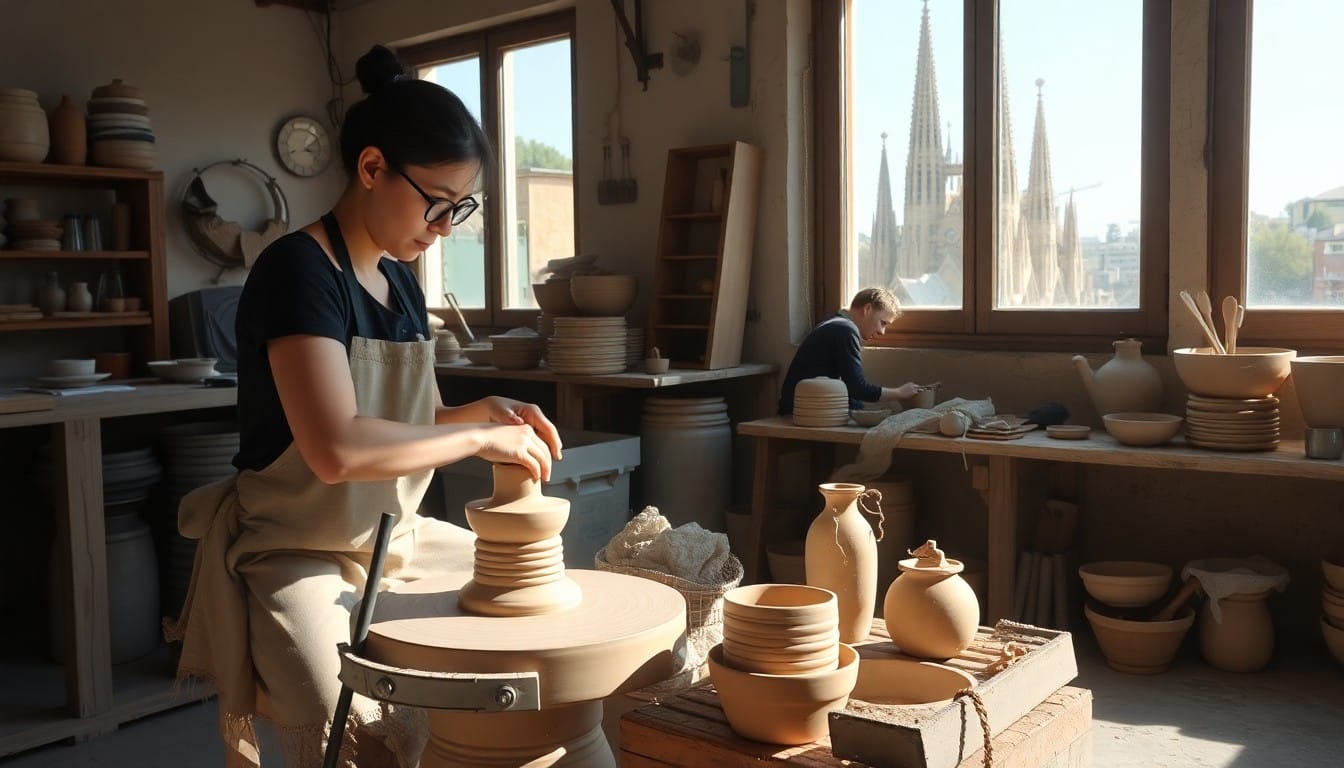
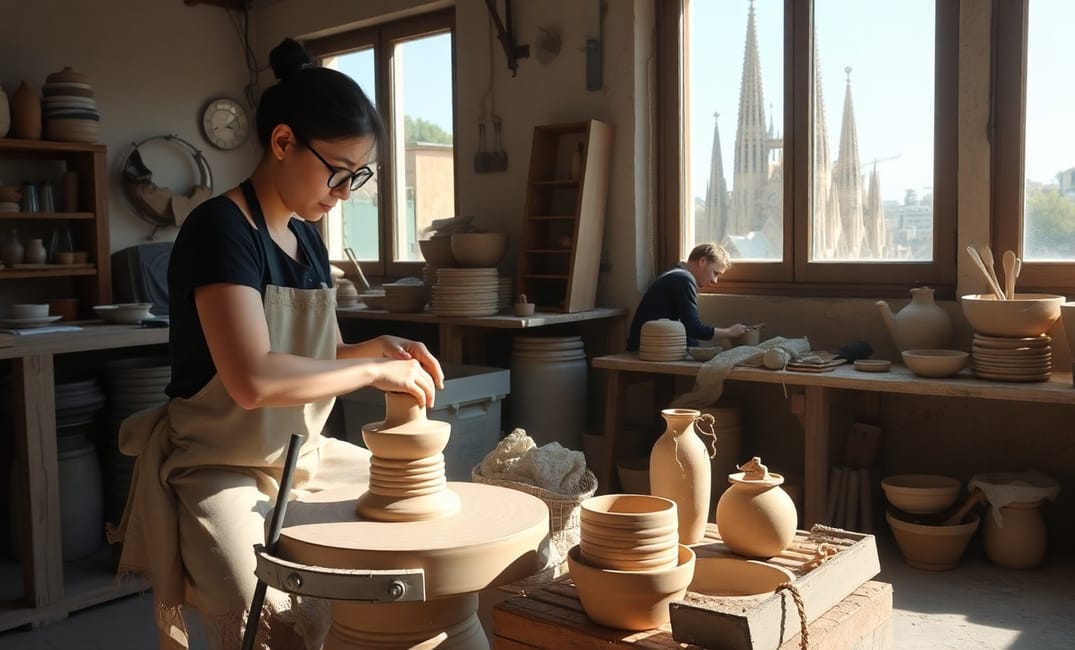
I took a pottery class because I had time to fill and no good reason not to. The studio was in the Born neighborhood, down a side street from the Picasso Museum, in a building that had been a textile factory before it was an artist's workshop. The ceilings were impossibly high, the kind of industrial architecture that Barcelona has in abundance, remnants of the city's nineteenth-century boom as a manufacturing center. The teacher was a Catalan woman who spoke English with a British accent, having learned from a previous teacher who'd learned from another—the language passing down like a craft tradition of its own.
She ran classes for tourists and locals both, patient with beginners like me who'd never touched a wheel. The first session was humbling. You sit at the wheel, you watch the clay spin, you put your hands on it, and immediately everything goes wrong. The clay wobbles, shifts off-center, collapses into a misshapen lump. You try again. Same result. The teacher corrects your posture, your pressure, the angle of your wrists. You try again. Gradually—so gradually you almost don't notice—you start to feel what she's describing. The centering that has to happen before anything else can work. The balance of pressure that allows the clay to rise without collapsing.

Throwing clay is harder than it looks, which is obvious but bears repeating. The wheel spins, the clay responds to pressure and speed, and everything happens faster than your brain can process. My first attempts were disasters—lumpy, asymmetrical, collapsing into themselves before I could get anywhere. I'd watch the other students, especially the ones who'd been coming for months, their hands knowing what to do without conscious thought, and I'd wonder if I'd ever get there.
The clay doesn't care how smart you are or how much you want to succeed. It responds to pressure and moisture and attention that can't be forced or faked.
But that's the thing about living somewhere: you have time. I came back week after week, my hands gradually learning the feel of wet clay, my arms developing the strength to center mass on a spinning wheel. The teacher corrected my posture, my hand position, the pressure I applied with my thumbs. Progress was slow but visible. By the end of the semester I could make a bowl that didn't embarrass me, that actually looked like what I'd intended to make when I sat down at the wheel.
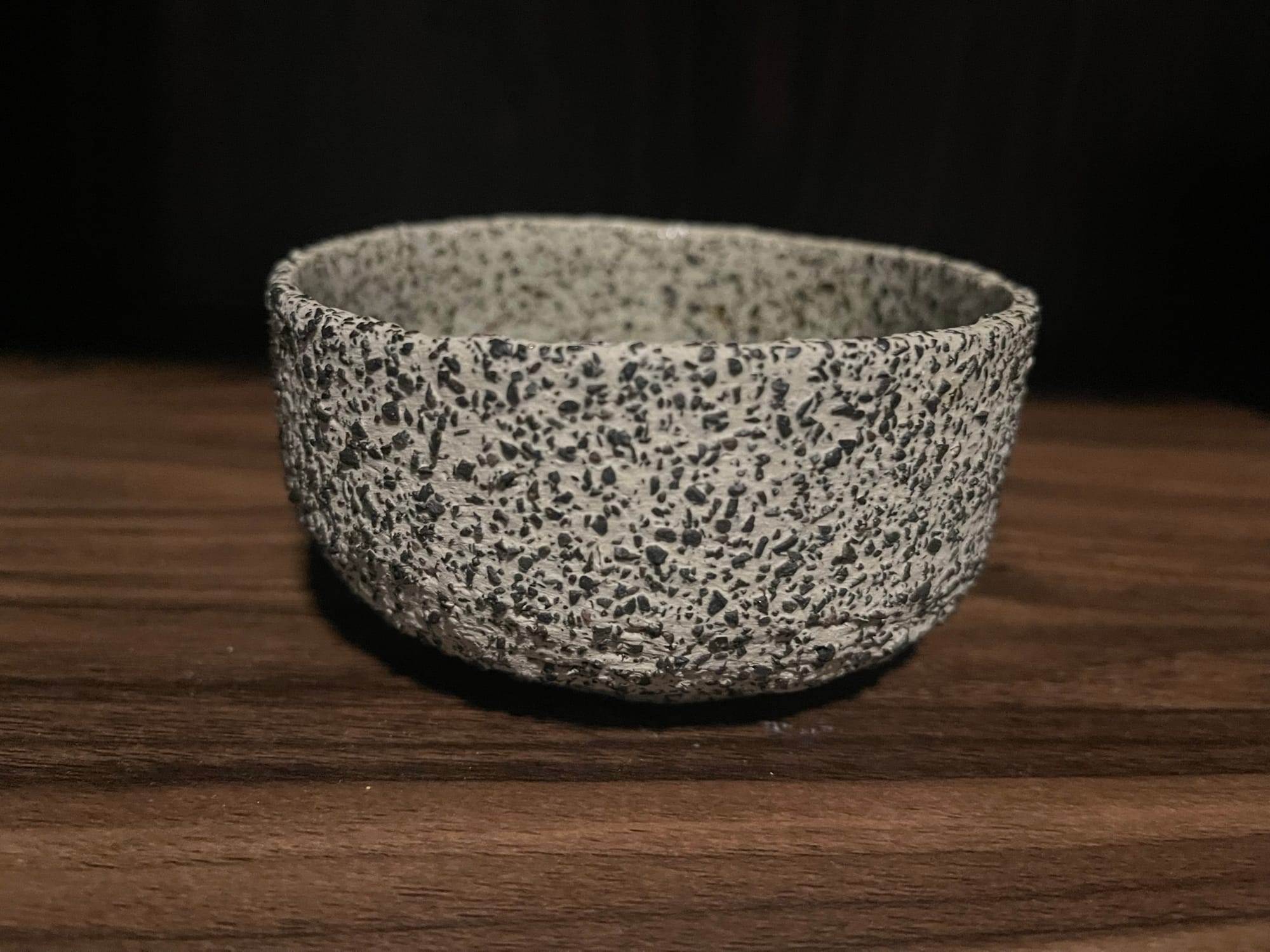
The bowl I kept—the one that sits on my shelf now—was from one of my last sessions. It's not perfect by any objective standard: the walls are slightly uneven, the rim wobbles if you look closely, the glaze pooled in ways I hadn't quite intended. But it holds together. It functions. It exists in the world as a physical object that I made with my own hands, and there's a satisfaction in that which no purchased piece can quite match. When I run my fingers over the surface, I can feel the memory of making it—the cool wetness of the clay, the vibration of the wheel, the moment when everything came together and I knew it would work.
The studio was near the Sagrada Familia, which meant I walked past Gaudí's masterpiece every week on my way to class. The basilica was still under construction, as it had been for over a century, cranes rising above the towers, workers in hard hats visible through the scaffolding. Gaudí died in 1926, hit by a tram while walking to confession, and the building still wasn't finished. They were saying it would be complete by 2026, the centenary of his death, though everyone who'd watched the project knew that deadlines in Barcelona were suggestions more than commitments.
Inside the Sagrada Familia is where you understand what Gaudí was trying to do. The columns rise like trees, branching toward the ceiling in forms that echo natural growth. The light through the stained glass paints the white stone in colors that shift through the day—blues and greens on the morning side, reds and oranges in the afternoon. It's a forest made of stone, a space that evokes the natural world while being entirely constructed. Standing there, neck craned upward, I thought about craft and vision, about the gap between what we imagine and what we can actually make. Gaudí imagined something that would take over a century to build, and people were still building it. That kind of faith in the work, in the hands that would come after yours—it's humbling.
Marta watched me fail a hundred times before she nodded at something I'd made. High praise from someone who'd seen me destroy so much clay.
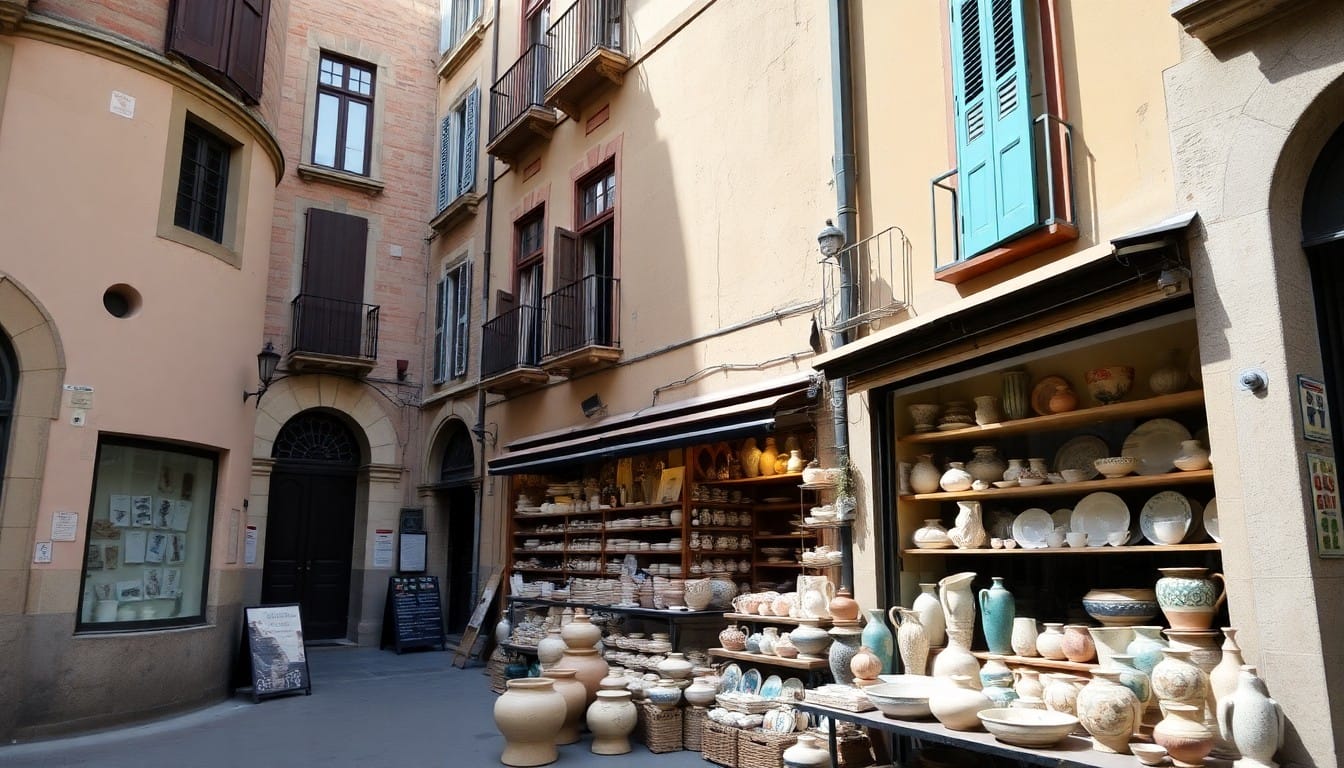
Barcelona lives in the tension between old and new, between tradition and innovation, between the Spanish identity that's imposed on it and the Catalan identity that resists. Walking through the Gothic Quarter, you pass Roman walls and medieval palaces and shops selling tourist souvenirs, history layered on history, all of it compressed into narrow streets where the sun barely reaches. Then you emerge onto the Ramblas and you're in another century entirely: street performers and flower stalls and tourists from every country, the whole spectacle of modern tourism on display.
The pottery I made in Barcelona is different from everything else I've collected. It's the only piece I made myself, the only one where I know exactly where every imperfection came from because I created them. The bowl holds that knowledge—the semester I spent there, the weekly walks past the Sagrada Familia, the teacher who corrected my posture until it became second nature, the classmates I've lost touch with but sometimes think about. It holds the process as well as the product, the hours of failure that preceded the modest success.
I've thought about taking classes again, about finding a studio in whatever city I'm living in and continuing what I started in Barcelona. But there's something precious about leaving it where it was, about letting that skill remain connected to that place and time. The bowl on my shelf is a period piece, a time capsule of who I was in my early twenties, living abroad for the first time, learning something new because I could, because I had time and curiosity and nothing holding me back. I wouldn't make the same bowl today. I'm not the same person who made it. The imperfections are exactly right for who I was then, and keeping them feels like a form of honesty. The bowl was thrown near the Sagrada Familia; it carries something of that unfinished ambition, that faith in the future, that willingness to work toward something you might not live to see completed.